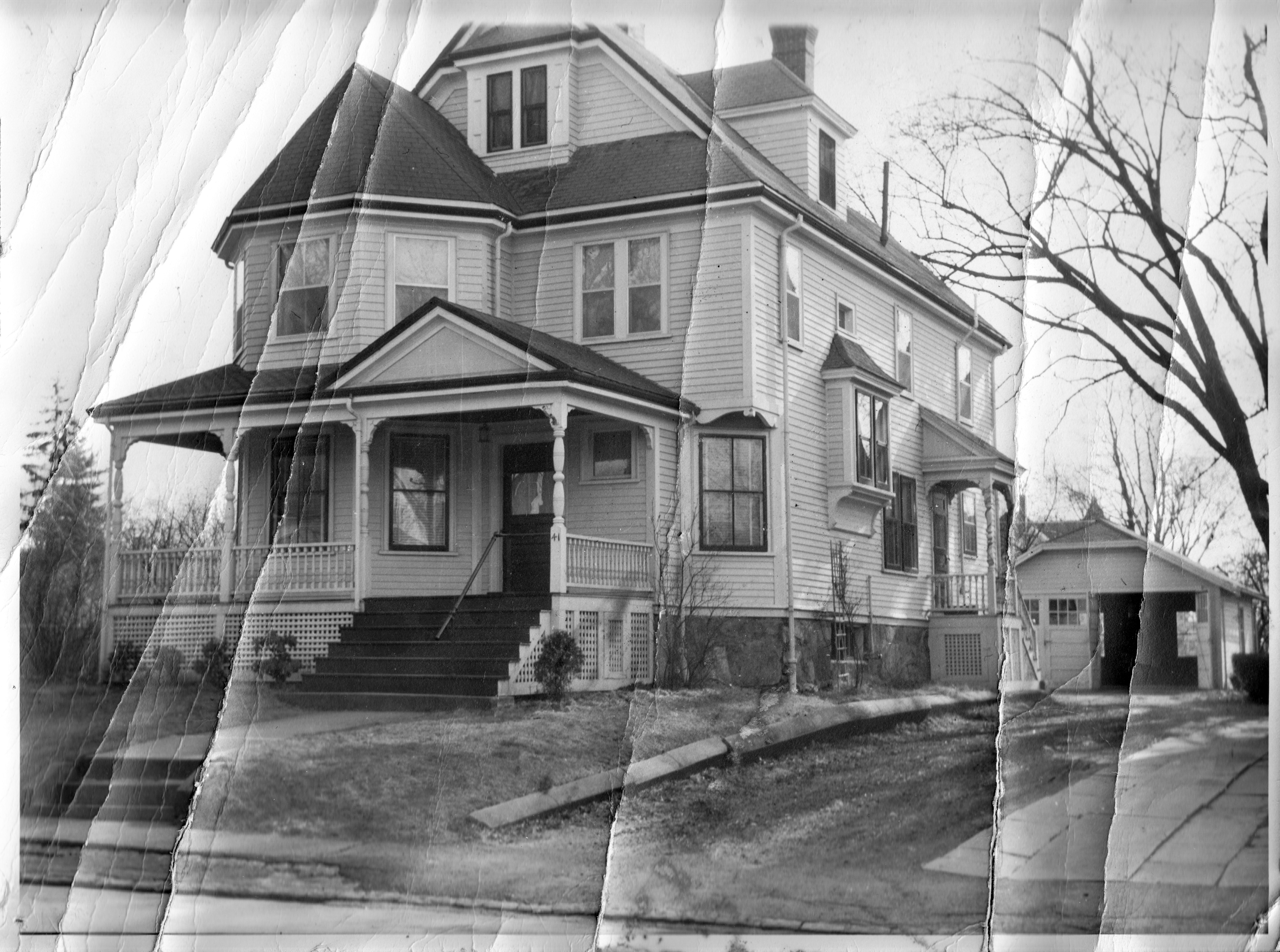
Growing up at 41 Wren Street in the 1950’s and 60’s in West Roxbury brought smiles…. Plenty of space, a big side yard, a Street lined with American Elms for shade and beauty.
But as Joni Mitchell once sang, “…you don’t know what you’ve got till it’s gone”.
Looking back we did not appreciate as much as we should have our next door neighbor’s house. The Schuerch’s lived in a beautiful Arts and Crafts Style stucco home next door. Built in 1920 it graced the street. It showed simplicity, harmony, fine details, natural materials and rich gardens and a Tulip Tree. It blended function with art.
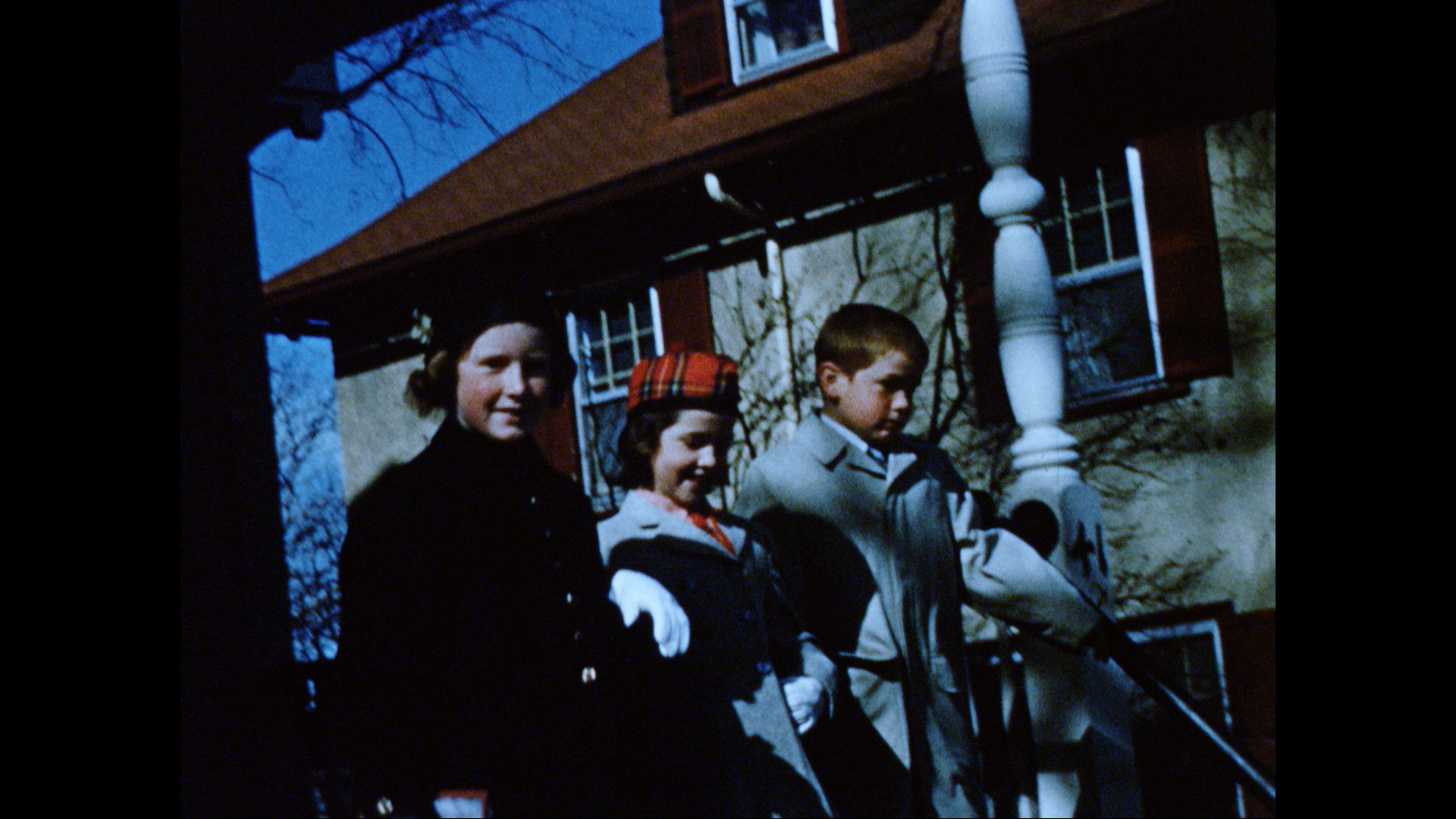
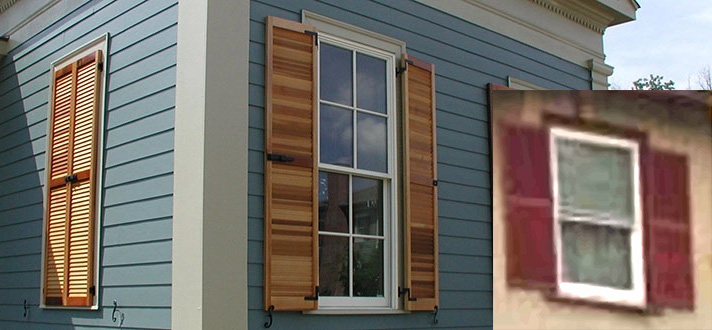
We notice functional wooden shutters that operate on hinges to close over the window, fully. Not “decorative”, these worked and every window had functional shutters. They added to the home’s symmetry and color.
Then we find features like these triple windows in a bay projection, each capped with symmetrical transom windows with eight rectangular panes radiating from the center – a decorative feature in Arts and Crafts homes referred to as a “sunburst,”
They were wooden works of art that added both light and artistic flair. Symmetrical motifs throughout the interior echoed these patterns, reinforcing the architectural style’s unified aesthetic.
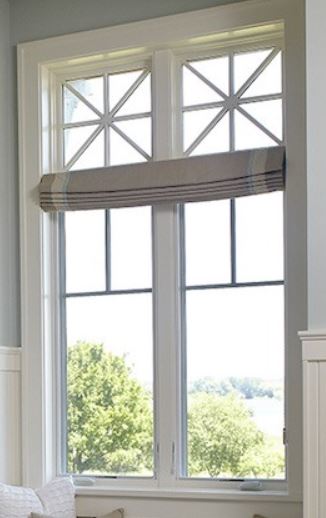
Source Francesca Owings Interior Design
We see this same style window in neo classical buildings. The stately and Historic San Juan Courthouse in the San Juan Islands of Washington State uses them.
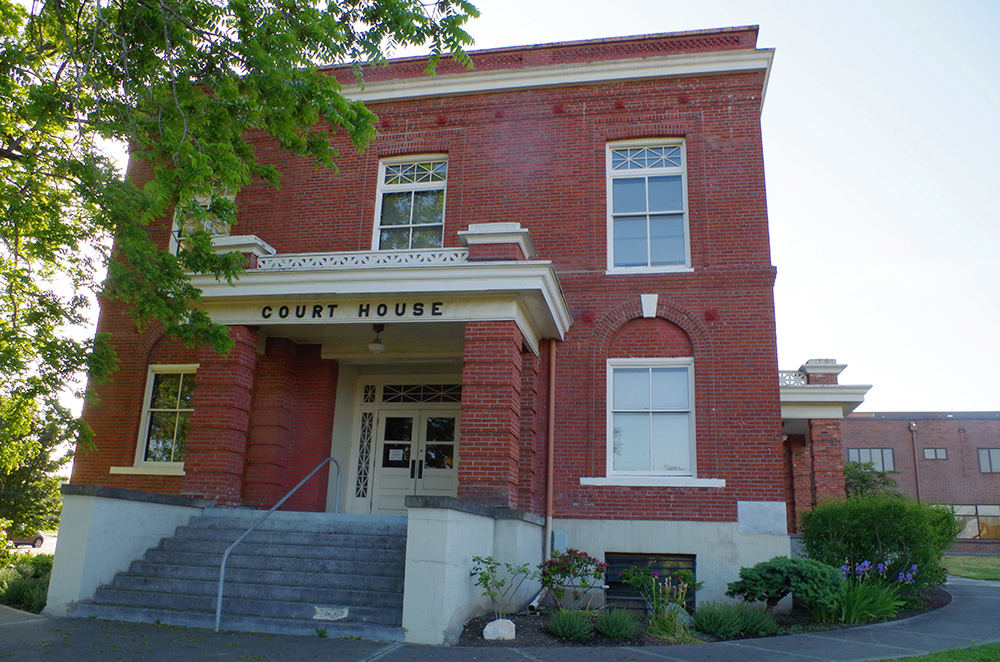
The porch roof features a complex, dynamic design with intersecting planes and a nuanced relationship to the main structure. It integrates a secondary gable with the primary roofline of the house gable, a classic triangular roof form with two sloping sides meeting at a ridge.
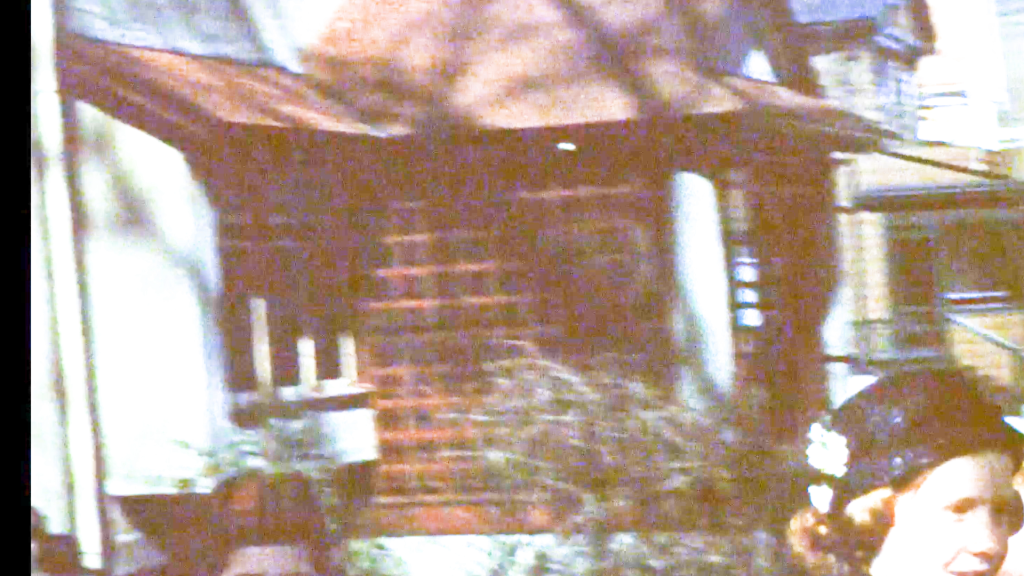
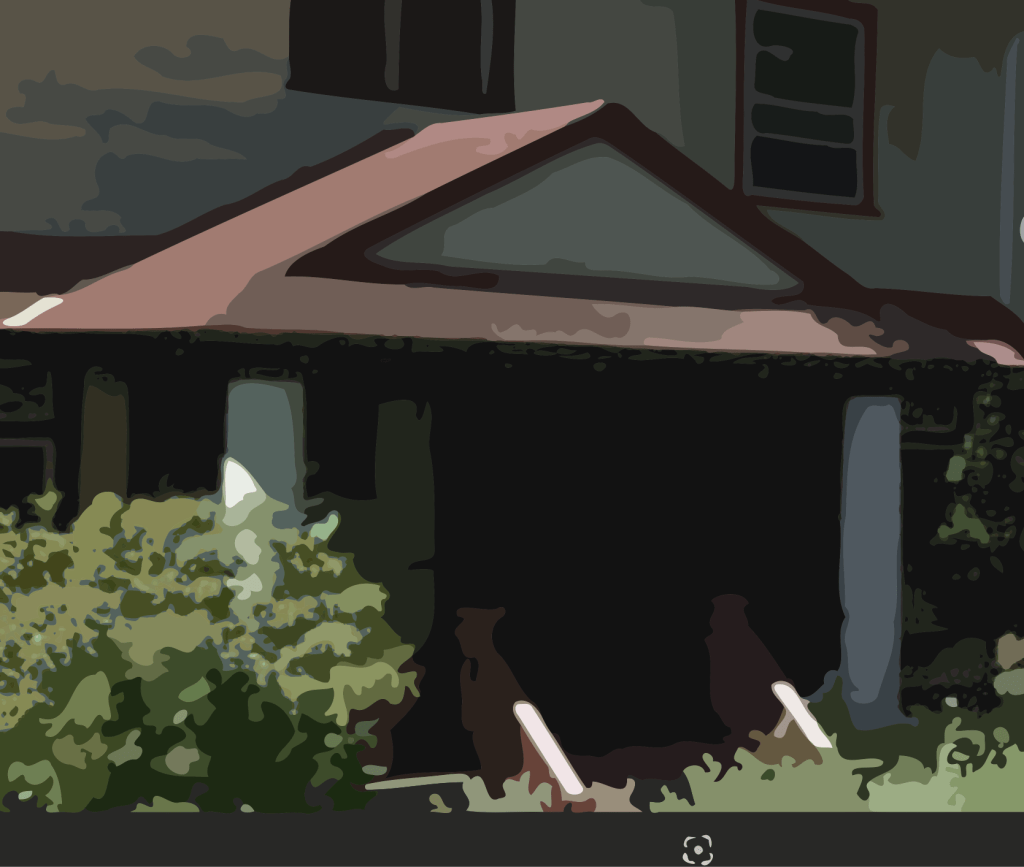
The roof extends outward to cover the porch, integrating the entry area into the design.
Where the roof intersects the main structure, it creates a seamless yet intricate connection between the two planes contributing to the visual balance.
The freestanding lattice arbor over the walkway echos the porch elements, with open, decorative frameworks that provide a focal entry point. The elaborate latticework on the arbor and porch both decorate and cool allowing air to pass through while adding visual texture and a traditional design element.
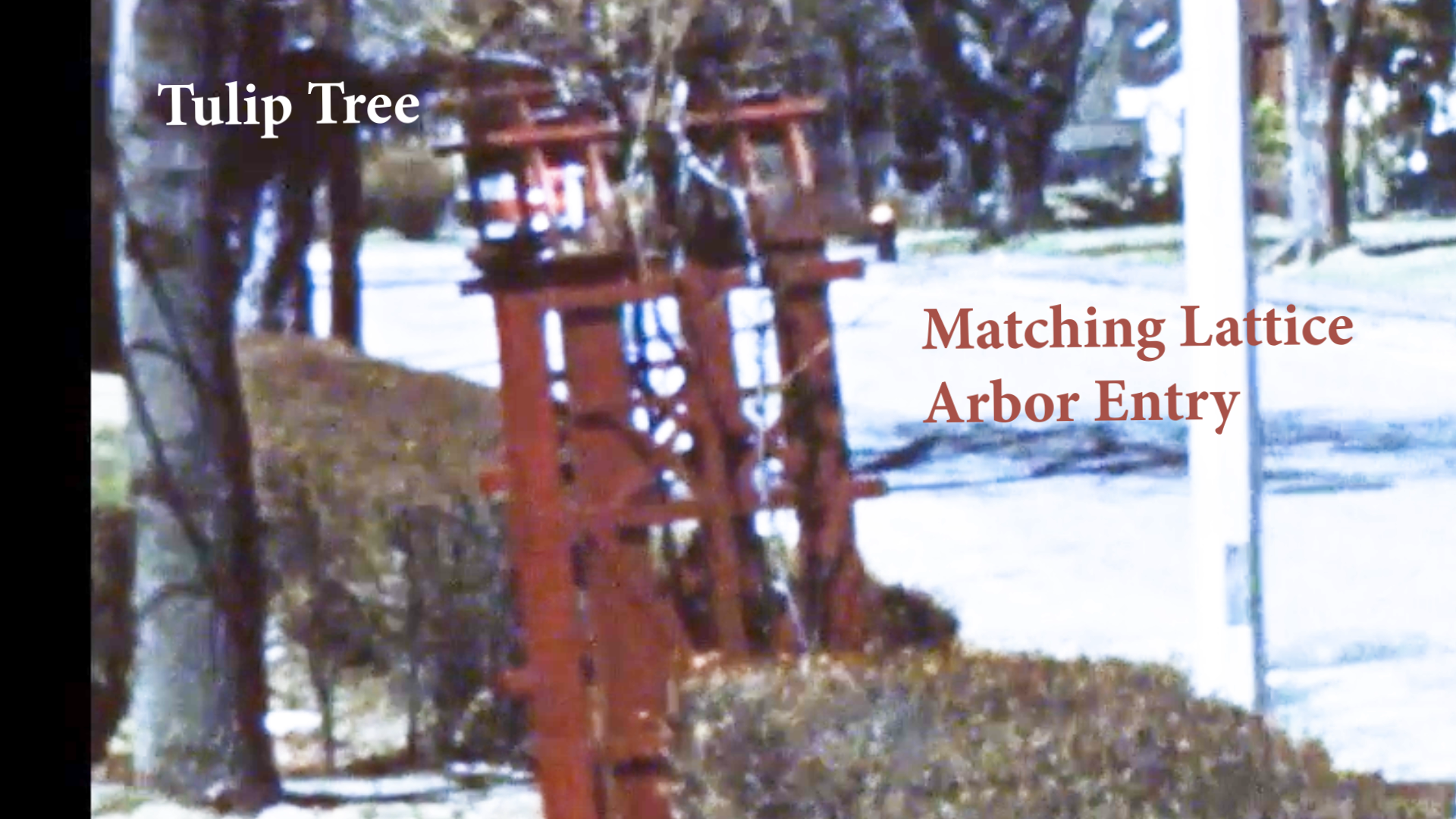
Then of course the iconic tulip tree in the front yard. The Schuerch’s selected The tulip tree because it is one of the largest of the native trees of eastern North America, known to reach heights over 150 feet. Also Tulip trees fit tightly within a constrained footprint. This tree by the early 21st century towered over 100 feet tall.

The most distinctive feature of 35 Wren was its expansive natural color stucco walls with “heavy dash” finish. They felt rough to the touch and scraped when we rubbed into the wall. But the Schuerch’s never had to paint these walls. They carried a warm earth tan tone to balance the maroon trim.
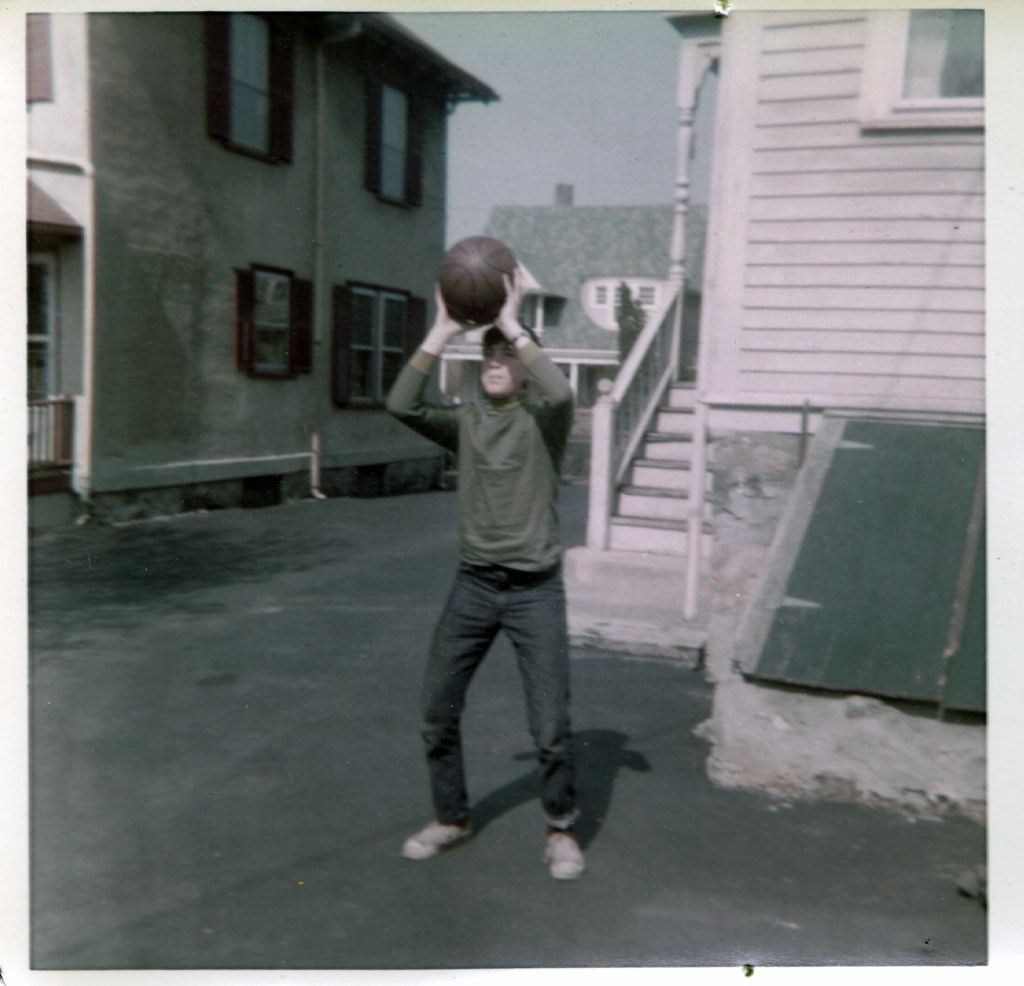

The Stucco Guy. (2024, December 22).
Wherefrom this Style?
Where did this architectural design come from in 1920? Why this architectural style that emphasizes texture and handcrafted elements. Psychologist Otto Rank once said “…if you want to know the essence of a culture, go to its architecture first.”1
So what in the culture of the time led to this look? According to The Preservation Society of Asheville & Buncombe County, North Carolina. U.S. servicemen serving overseas in WWI saw and greatly appreciated charming European and English villages and cottages. As the 1920s emerged with a robust economy, U.S. builders modeled some new house designs after the English and European cottages and manors. For example Lieutenant Allison C. Clough, a veteran of France, commissioned architect Julius E. Gregory—also a WW1 veteran—to design these two homes.
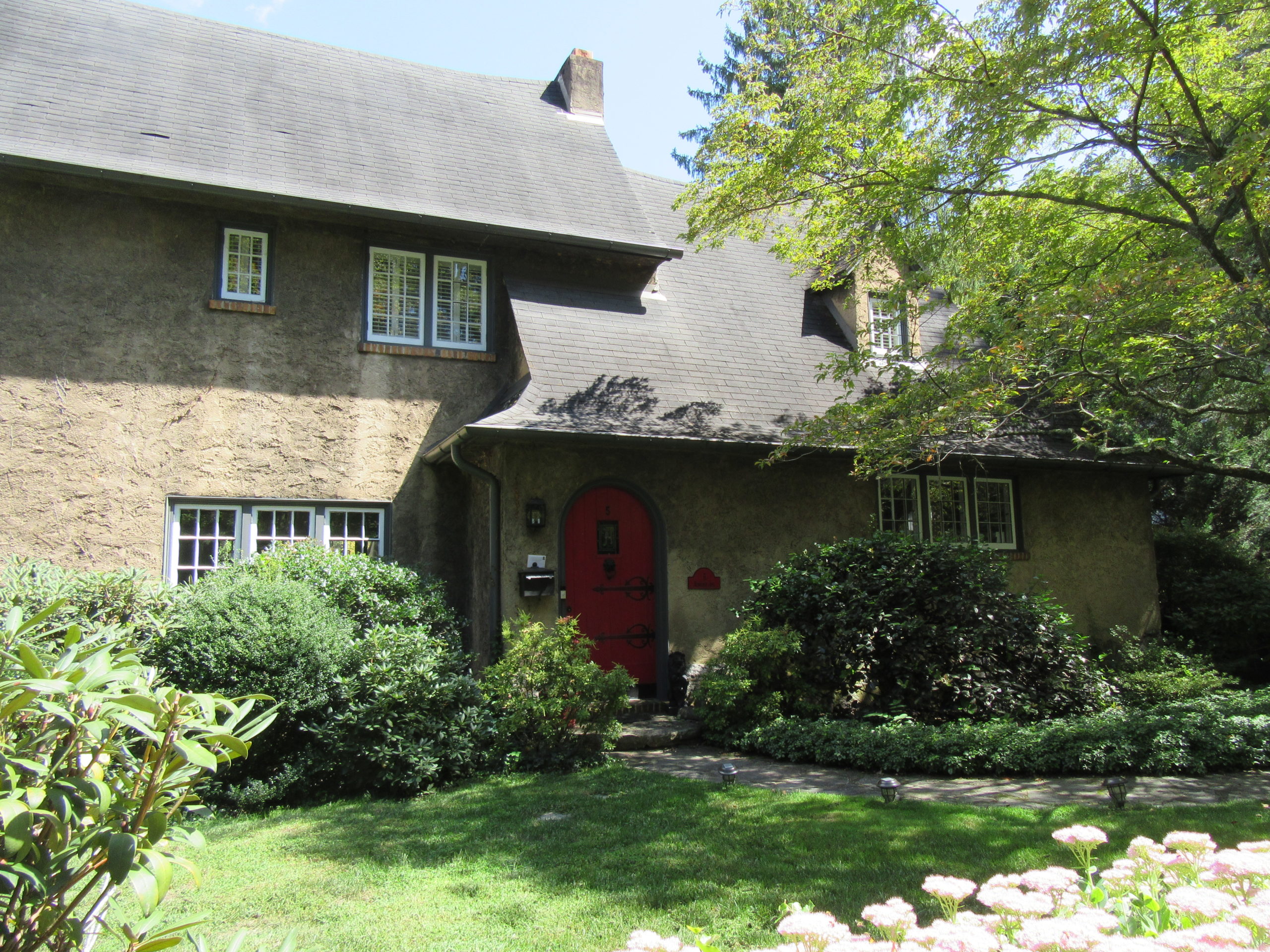
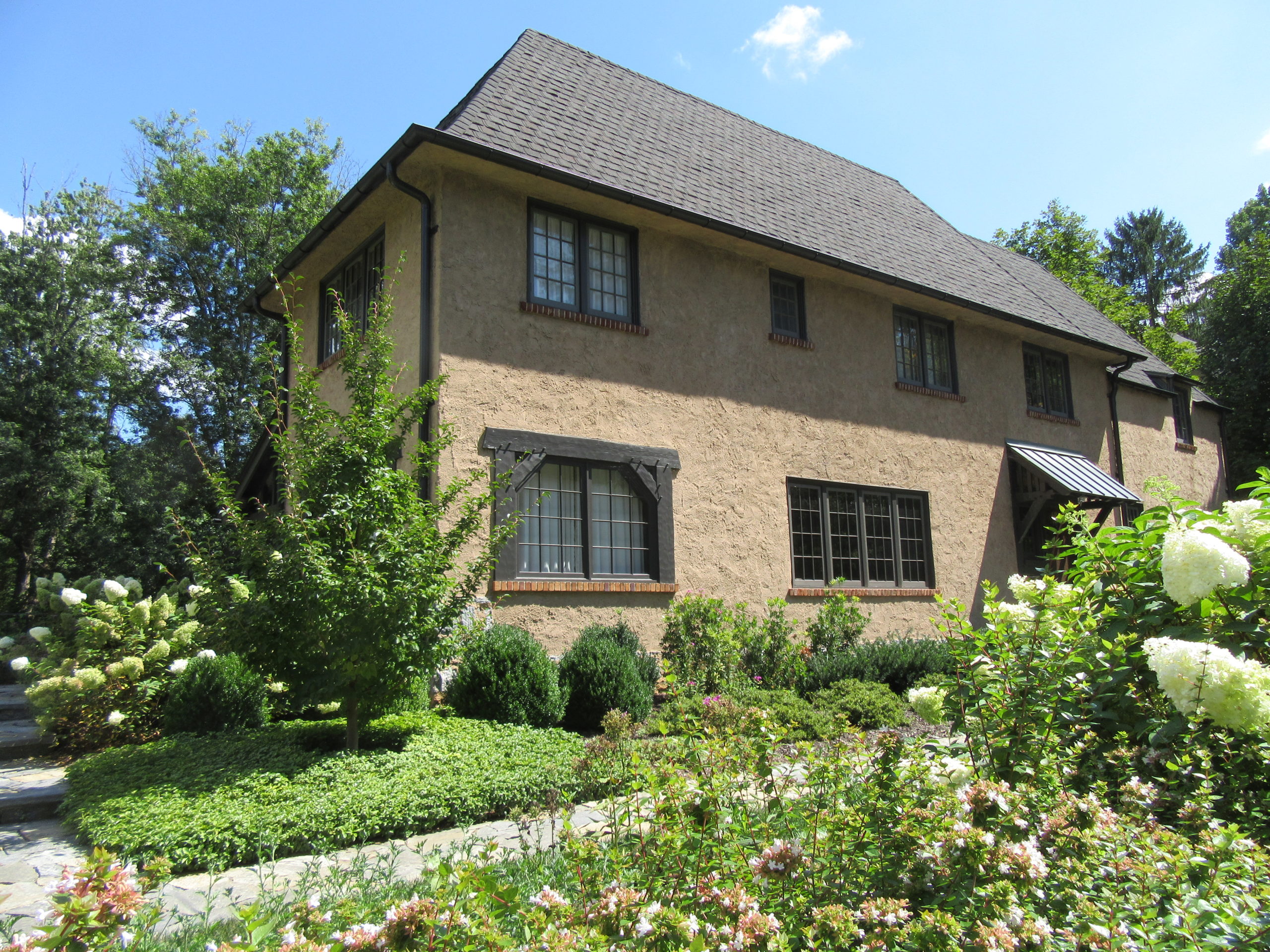
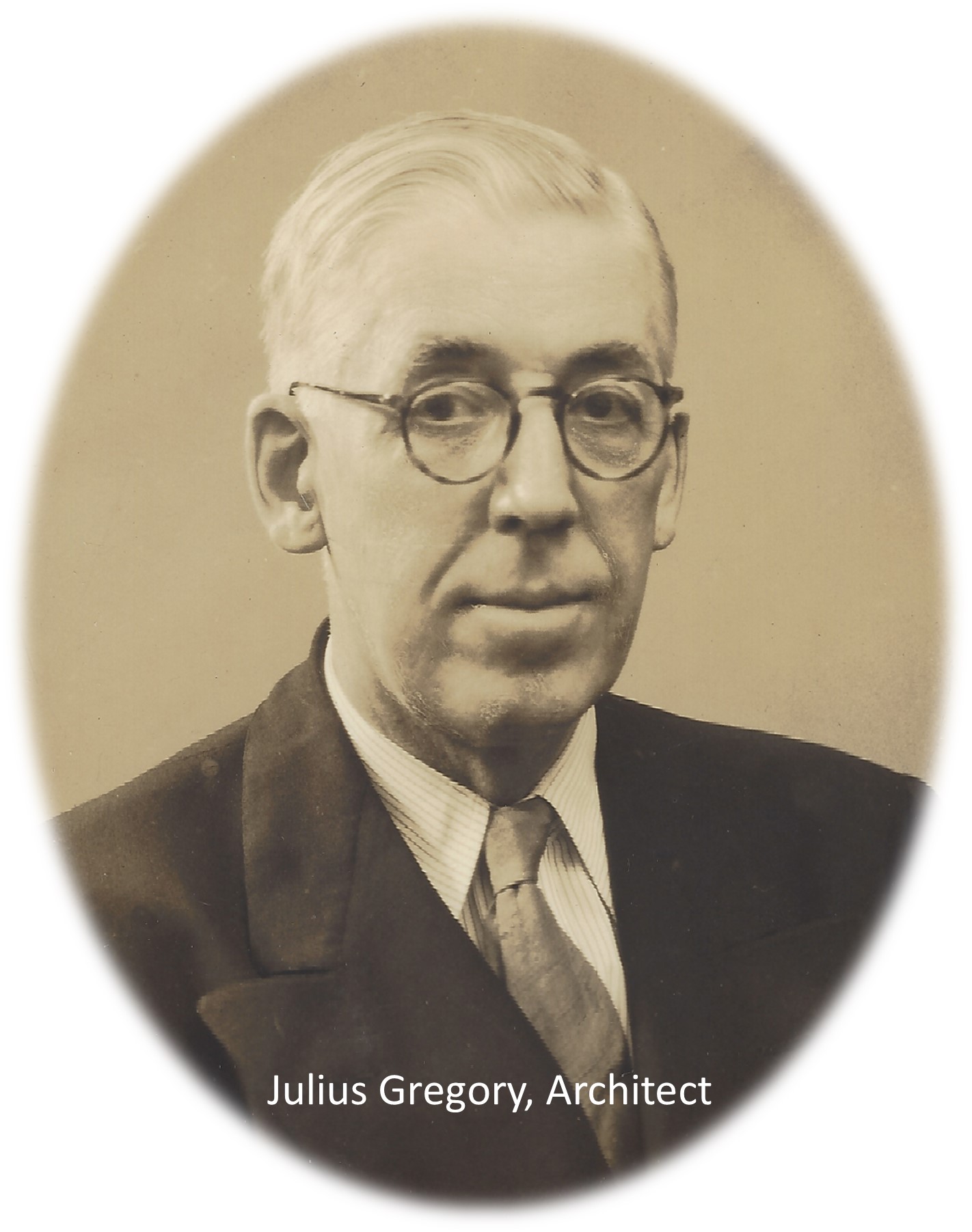
Gregory went on to spearhead an emerging Medieval Revival Style and Arts and Crafts movement in the U.S. The nod to European craftsmanship and village life, reflected a desire to escape industrialization’s stark realities.
These are the historic and aesthetic forces that shaped 35 Wren Street in 1920.
But lo, changes were coming,
The place became overgrown.
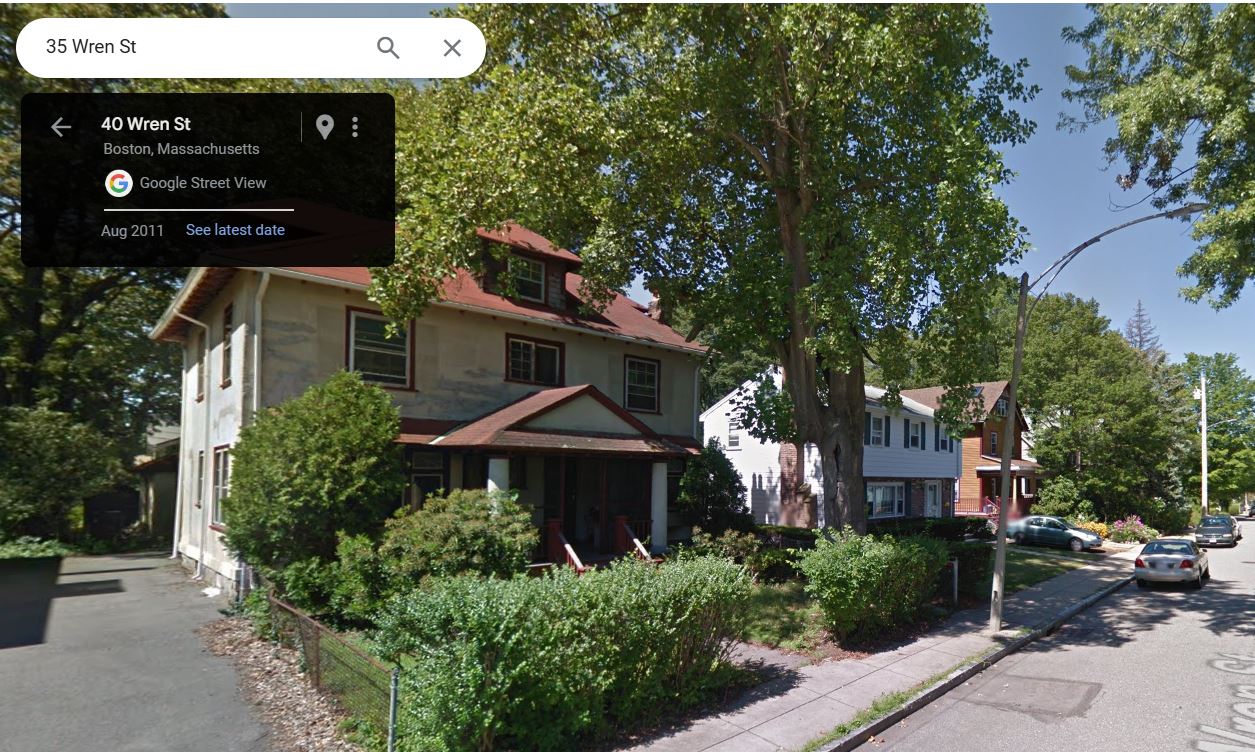
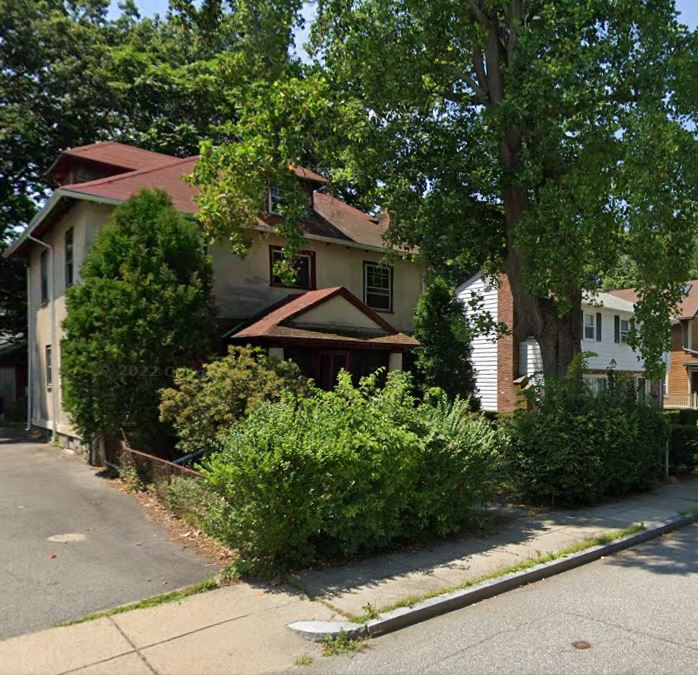
The property changed hands and then!
Major changes began. But they were not changes of a restorative and preservation type.
New owners first cut down the magnificent, towering tulip tree – an irreversible loss to both the property and the neighborhood. This tree, with a century—of growth, not only framed the house but also softened its lines, lending a timeless charm and anchoring it within the landscape. Its canopy provided shade, reduced energy costs, and enhanced the microclimate. Its presence created an emotional connection to the natural world. Cutting it down eliminates a living legacy that can’t be replicated in our lifetimes. It leaves behind a void that diminishes the home’s historic and aesthetic appeal.
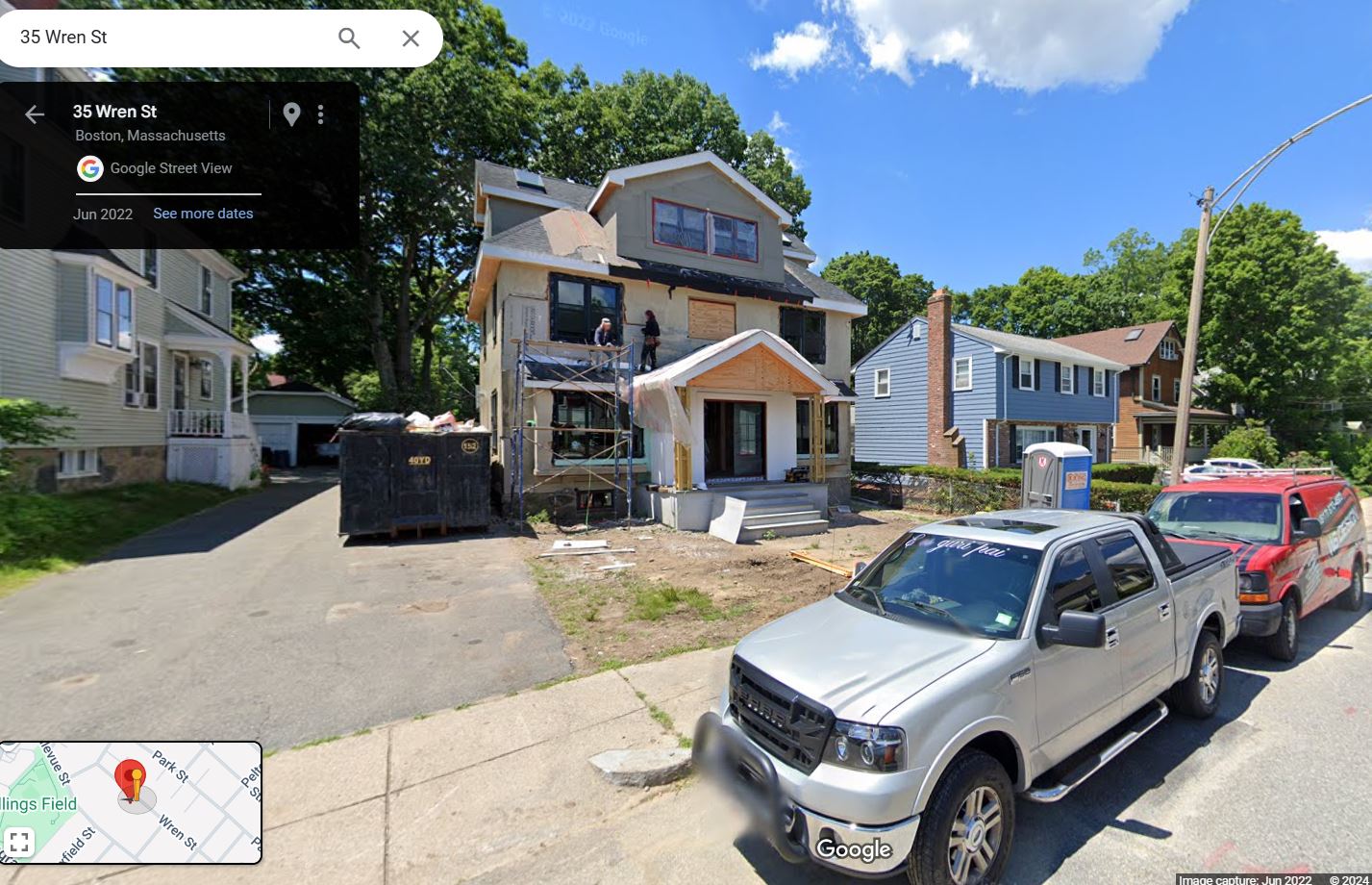
They boarded over the second floor center window above the porch gable disrupting the facade’s proportional harmony. This window once created a vertical rhythm that tied the porch roofline to the upper stories, emphasizing continuity and coherence in the home’s design. It also provided light and ventilation, enhancing the interior’s livability. Covering it compromises the structure’s historic integrity and its functional charm, leaving a blank, lifeless expanse in its place.
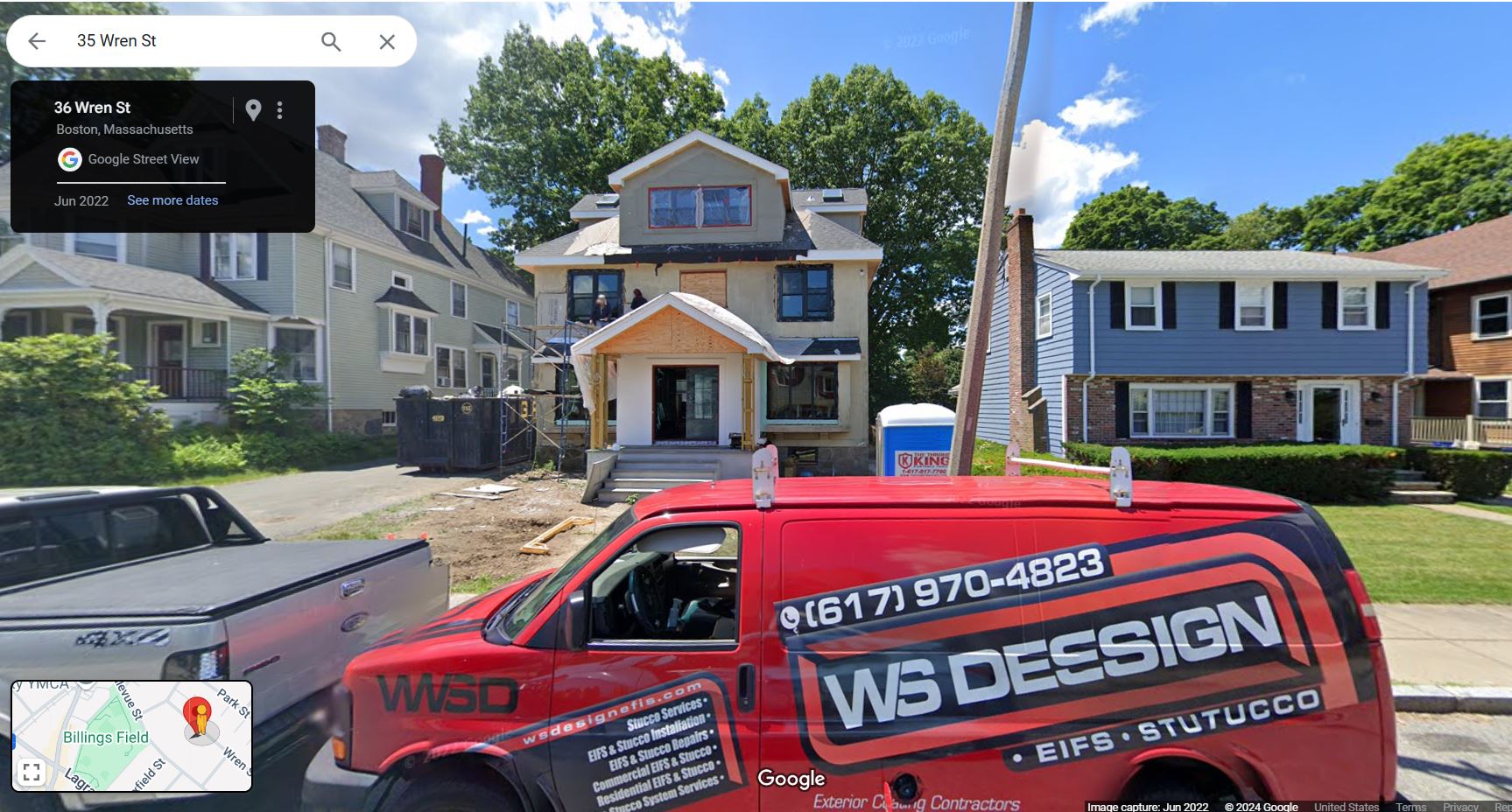
But they do seem to be fixing the stucco.
They destroyed the original porch and roof which featured a complex and dynamic design with intersecting planes and a nuanced relationship to the main structure. The new roofline, while functional, appears overly simplistic. It lacks the charm and individuality of the former classic.
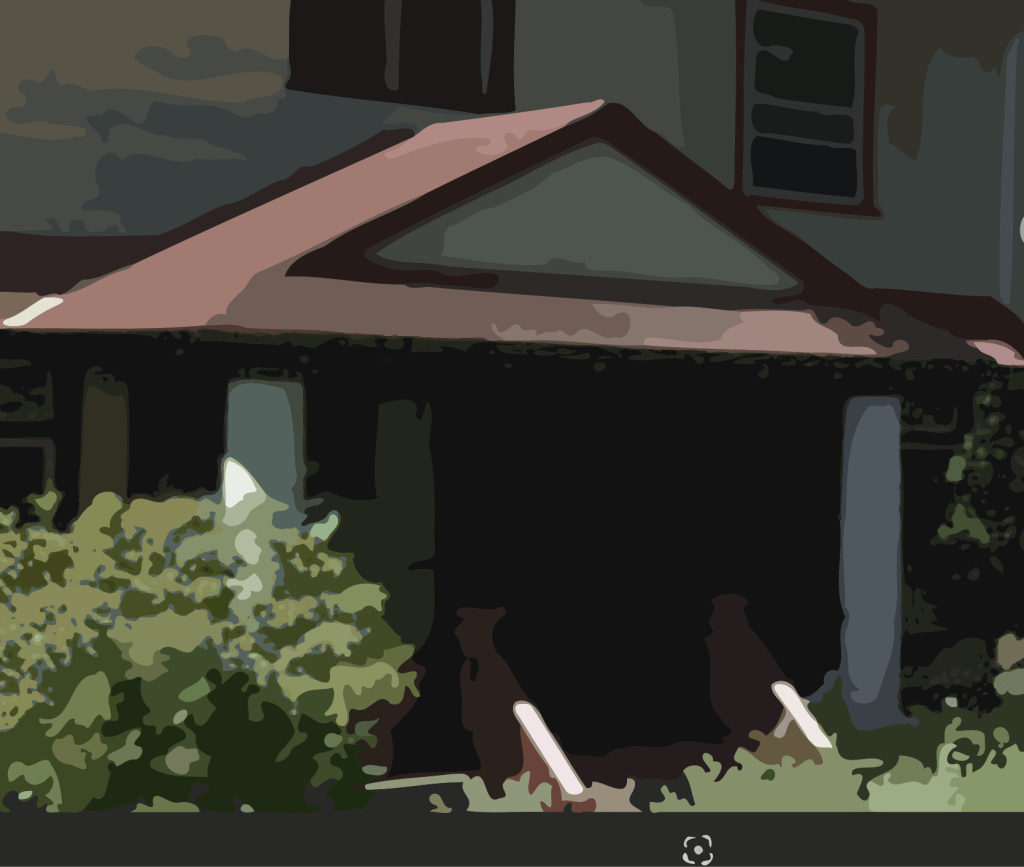
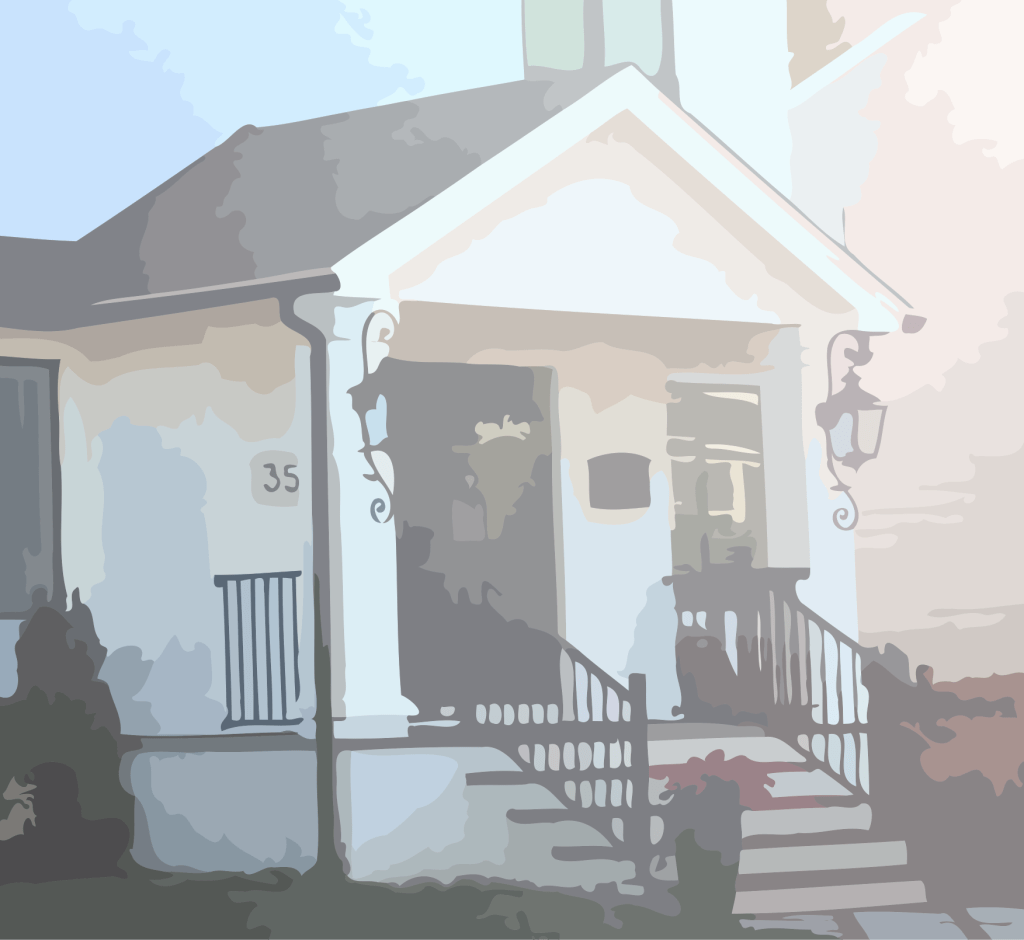
The original gable design conveyed craftsmanship and attention to detail, offering visual interest and depth. The new version sacrifices this detail, pushing a plain and utilitarian approach. It looks generic and less sympathetic to the original context, It diminishes the building’s historical authenticity. The porch change disregards the building’s historical narrative. It erases a feature that contributed to its unique identity within the neighborhood.
Then they trashed the front windows. The top row of smaller, symmetrical windows with eight rectangular panes radiating from the center added light and artistic flair. Its geometric motifs echoed throughout interior design elements of the home. The original windows were works of art, harmonizing with the home’s architectural style.
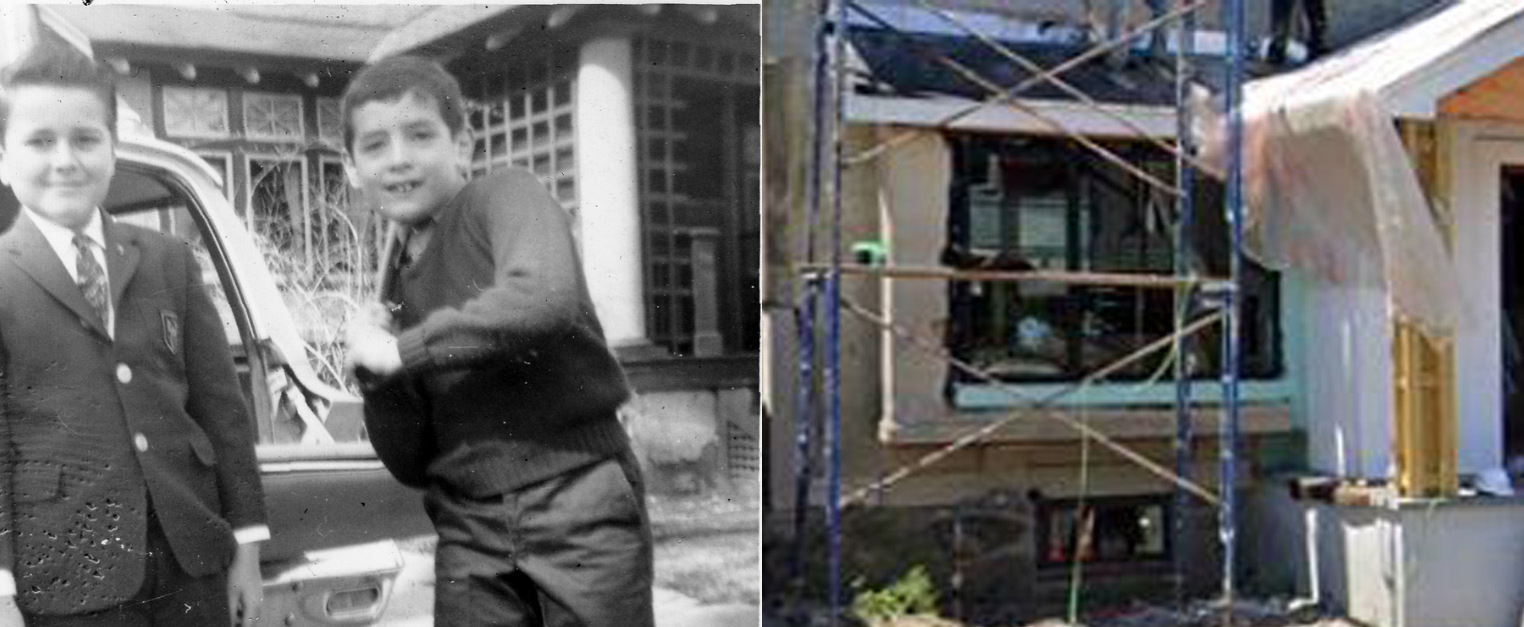
Replacing them with these plain, industrial-style casement windows erases the character and artistry that defined the whole. It sacrifices authenticity and reduces the building’s historical integrity. It transforms a once-elegant feature into something generic and disconnected from the house’s soul. It detracts from the home’s timeless charm and the story it tells through its design.
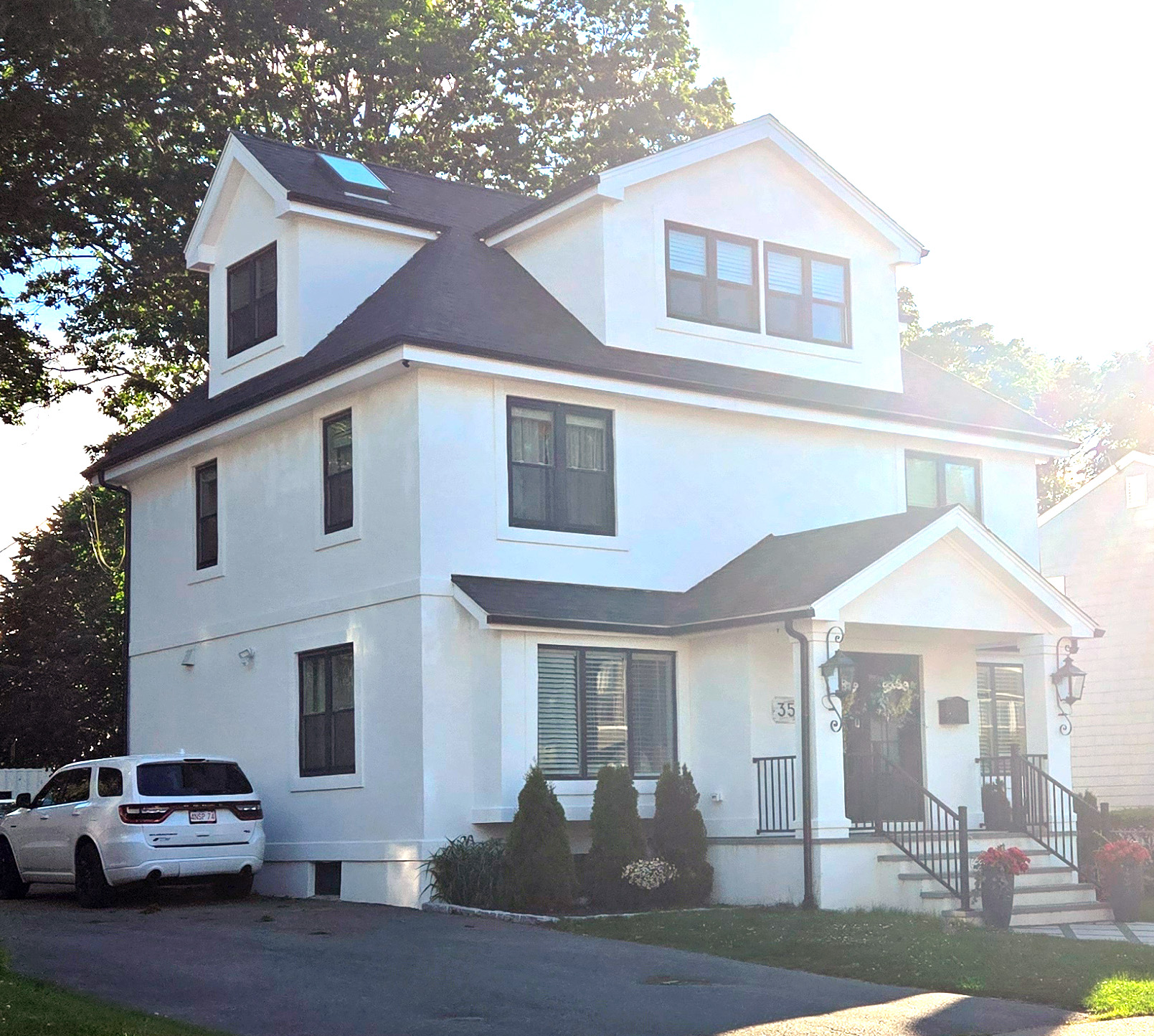
Then there’s color and symmetry. The new look offers No color. Black and white only with a sterilized and lifeless, cold look.
Ummm…, no offense; but They’ve wrecked it.
Echo of the Original: A Tale of Two Keepsakes
But wait. Two blocks away a the corner of Maxfield and Lagrange, we see a twin sister of 35 Wren. 333 Lagrange continues to grace the neighborhood as it ever did before. (flipped; chimney on left)
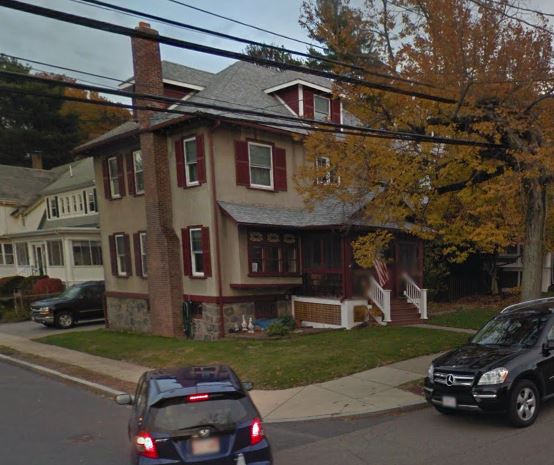

At least we have some memory of what was.
The Crime Against Craft: Who Stole 35 Wren’s Soul?
And who would do that, obliterate the character of a home?
Pam Bardhi would. Pam proclaims herself a “life coach”. According to her stories, she is 9 figure real estate guru. She says she is “in the business of flipping homes.”

She actively promotes herself across a wide range of social media sources as a business and real estate guru. One newspaper that researched her states, “Pamela Bardhi is an attention seeking narcissist “2
The fast money mindset would not pay heed to the artistic, natural and architectural dimensions of 35 Wren. She can just add a bedroom and bath to the attic and sell it for a killing. Its now assessed at $1.3 million.

To quote Otto Rank, again, “…if you want to know the essence of a culture, go to its architecture first.” Look at the soulless, colorless and industrial look of this redo. See the destruction of the artistic, skilled craft and visually symmetric whole. You will see in stark relief the changing of the guard to “the mindset of this age.”
I would much rather live the ways of Emma Schuerch. She nurtured beauty in every form. She brought a deep sense of care, service for her neighbors, the community, the world. And she did it all with a great sense of humor…. glimpsed in the 1976 snapshot following.
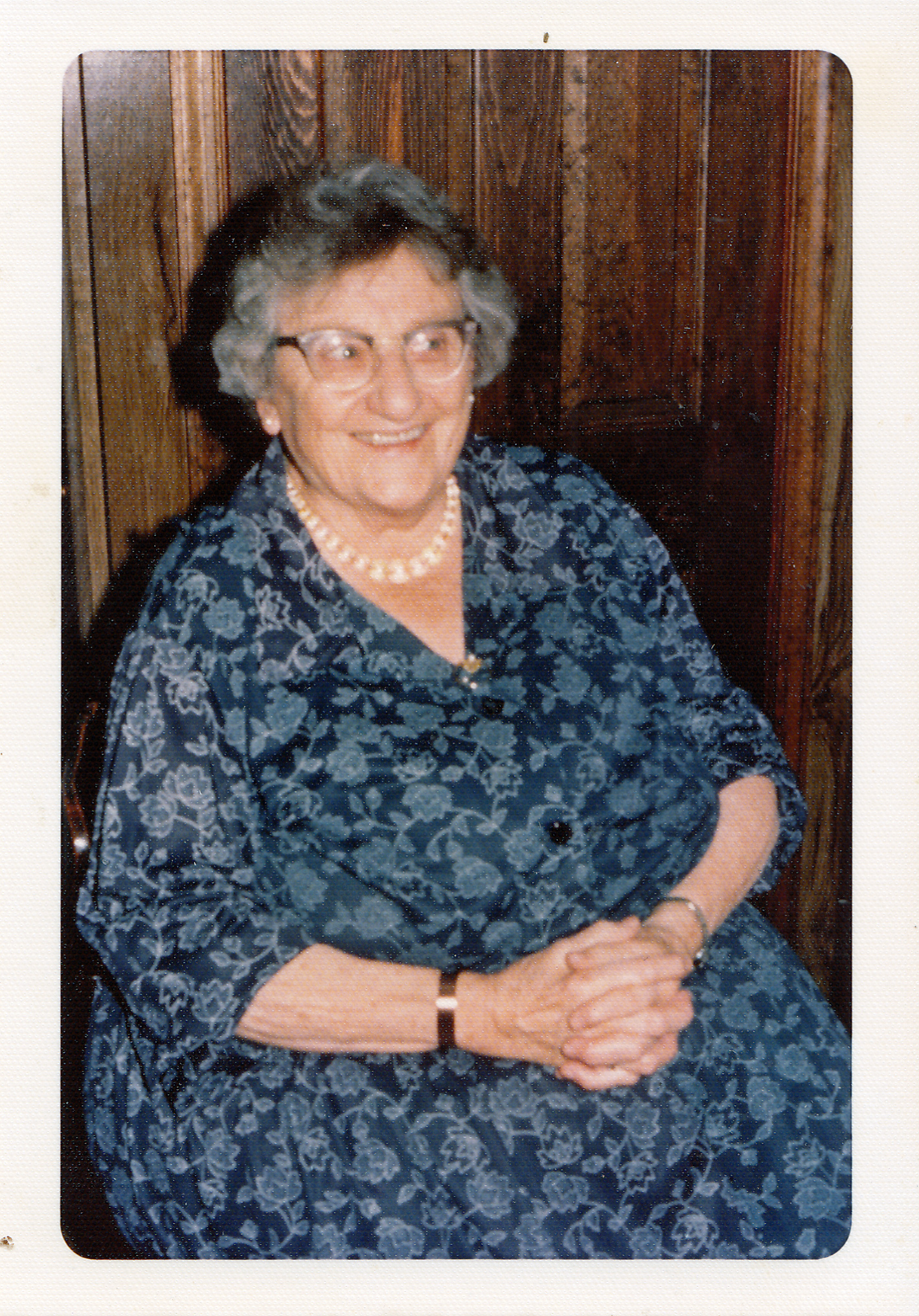
1883 – 1990
- As quoted by Matthew Fox. (2024, December 7). Notre Dame rising from the Ashes. Daily Meditations with Matthew Fox. “[Otto] Rank tells us that if you want to know the essence of a culture, go to its architecture first.” ↩︎
- . TB Daily News – The real news the people deserve. https://tbdailynews.com/west-roxbury-life-coach-real-estate-guru-claiming-to-be-close-friends-with-ana-walshe-in-dozens-of-media-appearances-seems-to-barely-know-her/ ↩︎
 Here's What I Found