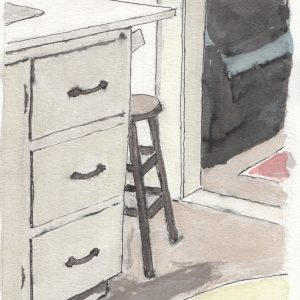
One January weekend we took a trip to the Cape Cod National Seashore Salt Pond Visitor Center.

And right behind the Visitor’s Center under a protective canopy they keep a special boat.

Here’s what the plaque in front of the boat says…
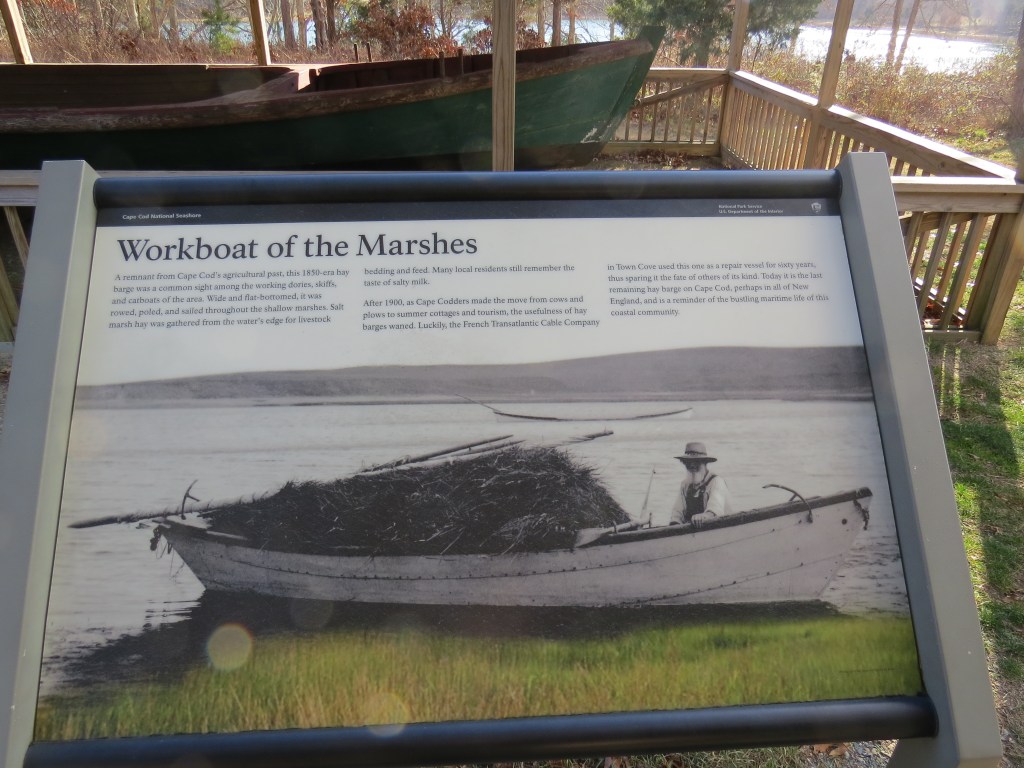
“A remnant from Cape Cod’s agricultural past, this 1850-era hay barge …appeared frequently alongside the working dories, skiffs, and catboats of the area.

Cape Codders rowed, poled, and sailed this wide and flat-bottomed boat throughout the shallow marshes to gather salt marsh hay from the water’s edge for livestock bedding and feed.
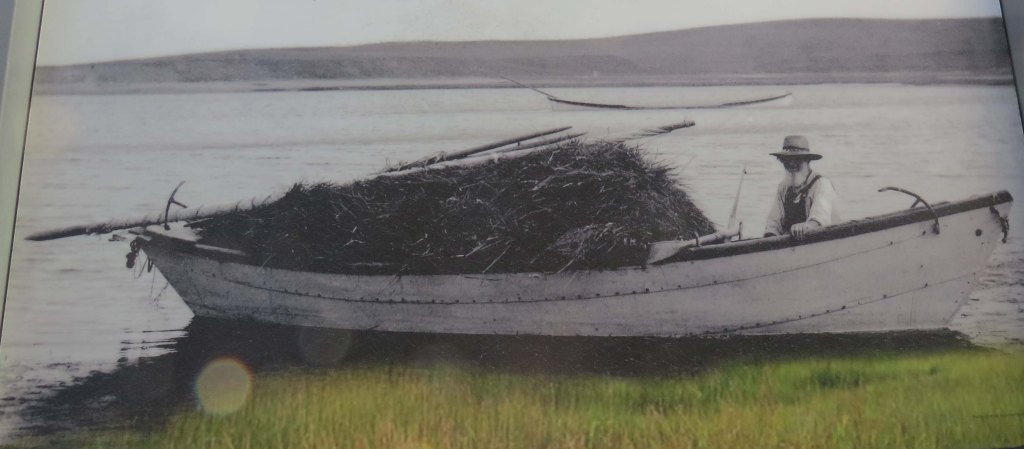
Many local residents still remember the taste of salty milk.
After 1900, as Cape Codders made the move from plows and cows to summer cottages and tourism, the usefulness of hay barges waned. Luckily, the French Transatlantic Cable Company in Town Cove used this one as a repair vessel for sixty years, thus sparing it the fate of others of its kind. Today it is the last remaining hay barge perhaps in all of New England,”
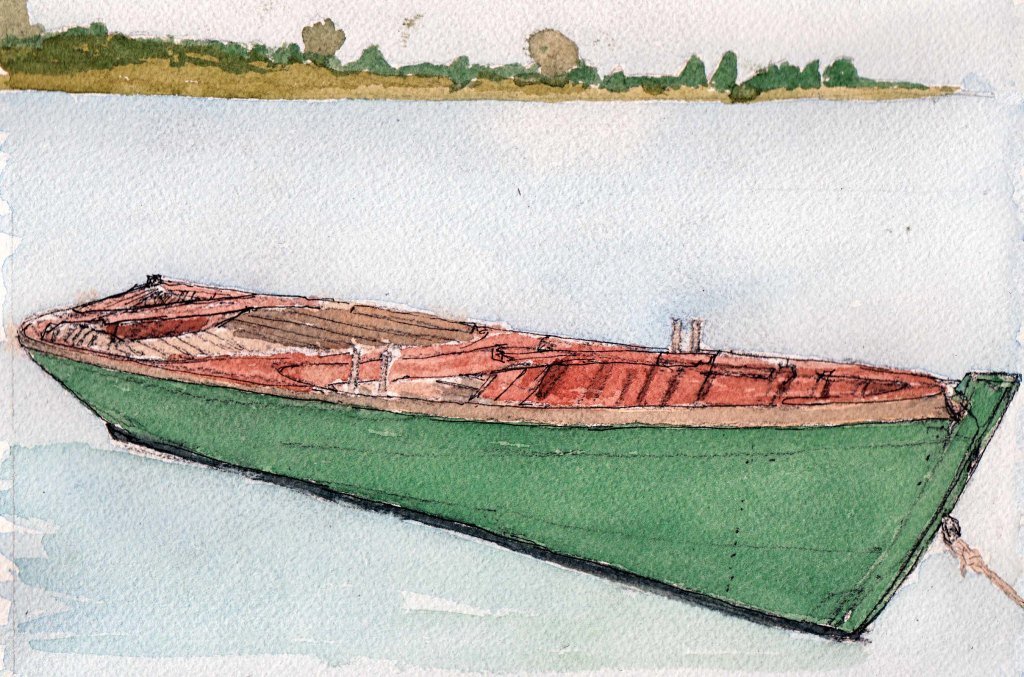
It turns out farmers used these barges in the waters near our home …
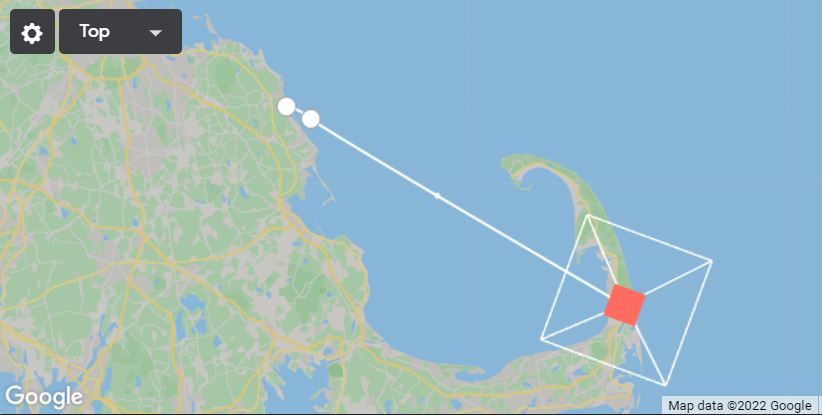
…haying the marshlands of the North River in Norwell, Scituate and Marshfield – right across the bay from Cape Cod. This haying continued until the Portland Gale of 1898.

The following original Painting of Haying on the North River comes from the Collection of Dr. James R. and Cathy Everett, Scituate, MA.

Here’s a video of the same story:
The Salt Marsh “grass” that early New Englanders harvested is called “Sporobolus alterniflorus, or synonymously known as Spartina alterniflora, the smooth cordgrass,[1] saltmarsh cordgrass, or salt-water cordgrass, … the perennial deciduous grass which is found in intertidal wetlands, especially estuarine salt marshes. “
Spartina is losing / has lost to the invasive and ferocious, towering “Phragmites australis, an invasive plant commonly known as the common reed. Or, as some call it: the all-too-common reed.” It has overwhelmed our tidal wetlands coast, at great cost to the native habitat.
See this article on Phragmites’ future. Thanks for checking in.
 Here's What I Found