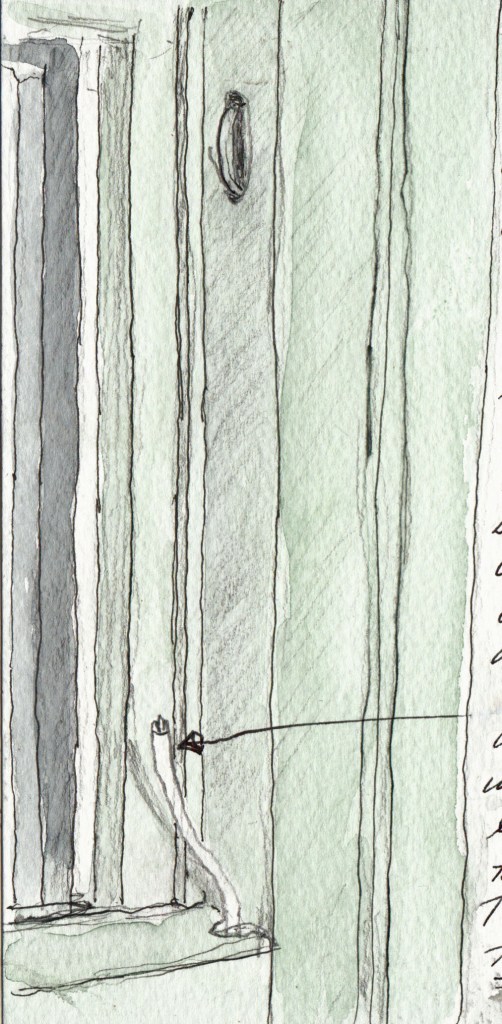
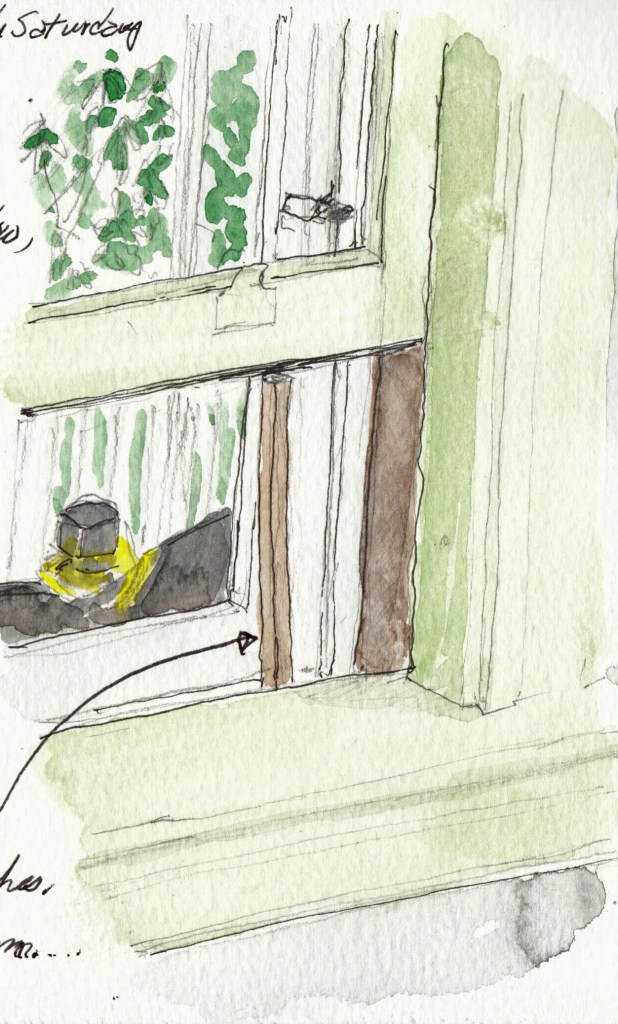
Our home in Hingham, MA features 13 of the original double hung casement windows which are gaining in look and feel appeal. But most of the sash weight cords had deteriorated and broken. (See left.) It left us to using little wood batons to hold up the lower sashes if we wanted them open. (See right.)
I set about to fix them.
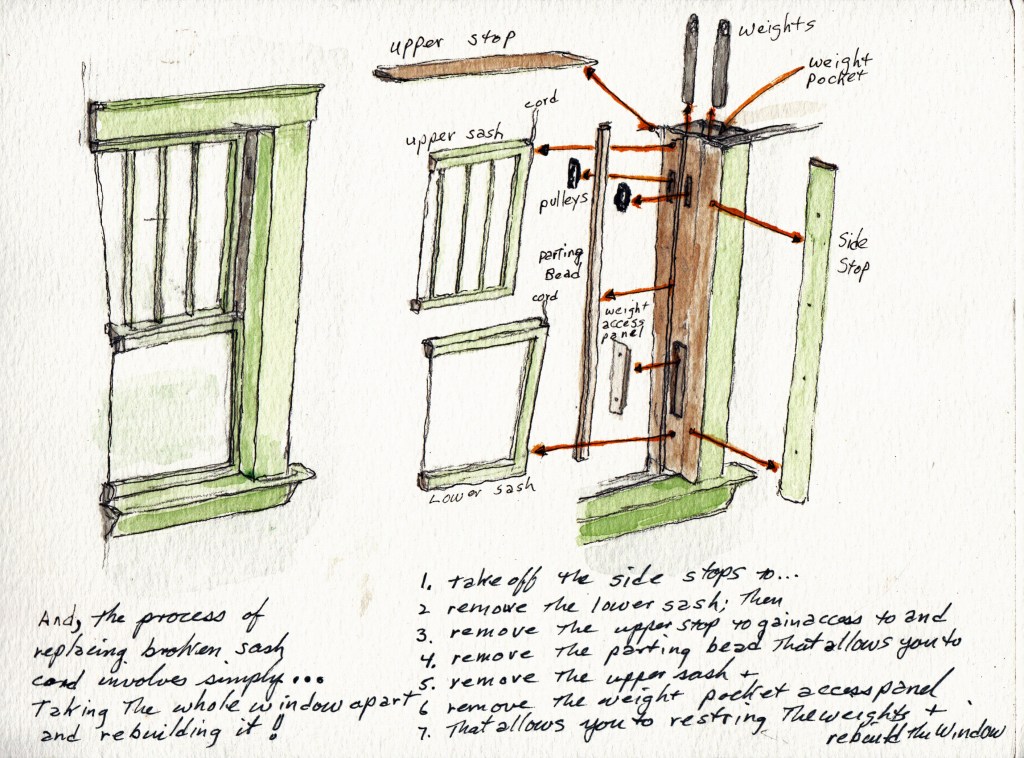
And the process of fixing broken sash cords involves … simply…. taking the whole window apart and rebuilding it.
And this process led to other discoveries such as, the upper sashes were locked / painted in place, the sash channels were painted over and prevented sliding the sashes, some panes were broken or missing glazing, none of the sash locks worked, some of the sash lock sockets were rotted out, etc.
In other words I quickly realized that replacing sash cords meant refurbishing windows entirely and would involve great labors and times and skills I did not yet have. So be it. I prefer restoring the same look, using the same old growth wood and original glass. I could have gutted them replacing them with Andersen replacements but that would look aesthetically unpleasing, cut in on light allowed in and just add, unnecessarily to the waste stream.
Consider the tight grain wood of these windows…
Indeed these 6 Leonard Street windows appear to use old growth timber. Check out this visual (from UK Historic Doors) comparison of old growth vs. new growth wood:
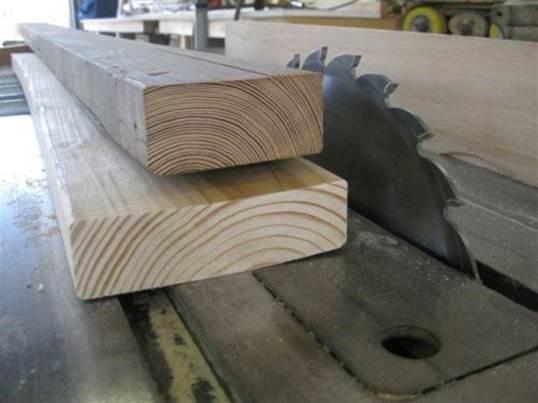
As you can see the “tight grain” of the old growth wood on the top shows slow steady and narrow year rings. The accelerated new growth timber shows much larger year to year growth. As you have read, the early slow growth lumber cuts straight (notice the top old growth piece is straight while the newer wood is already torqued), resists rot and lasts MUCH longer than the light new fast stuff.
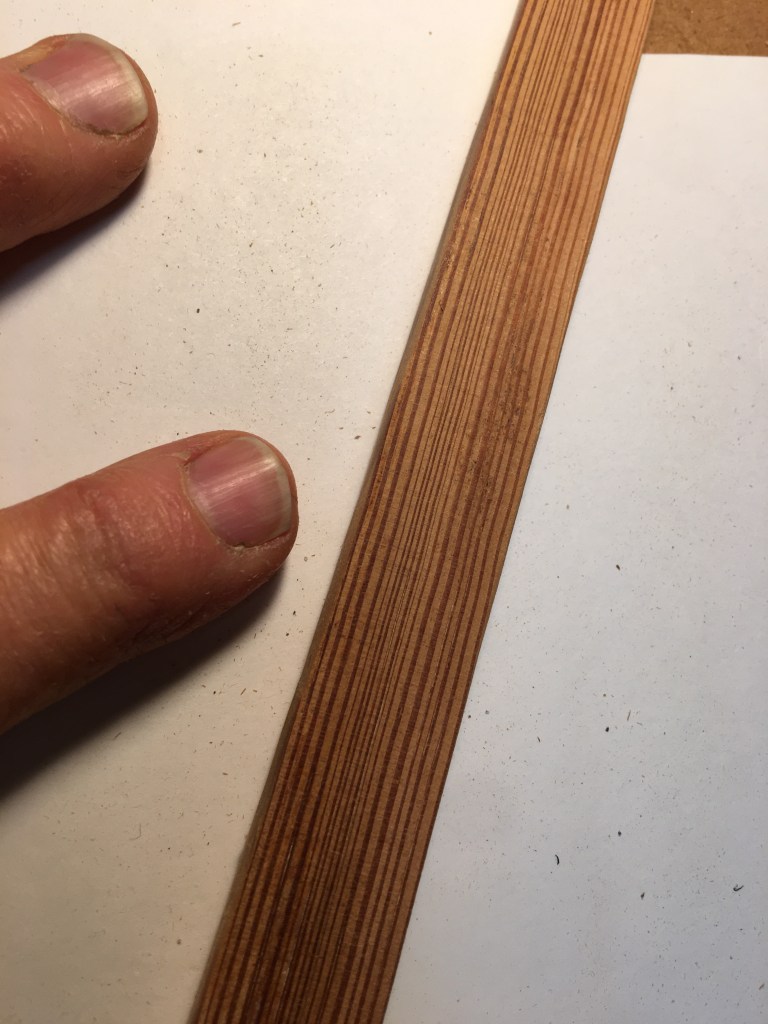
And yes I see that tight “old growth” grain in these windows. Check out this window bead from the north most dining room window and look at how tight the grain is:
Then there’s the history!
So where is the wood from?
Once removed, the underside of top “stop” of that same windows shows “Dierks” stamped into the wood:
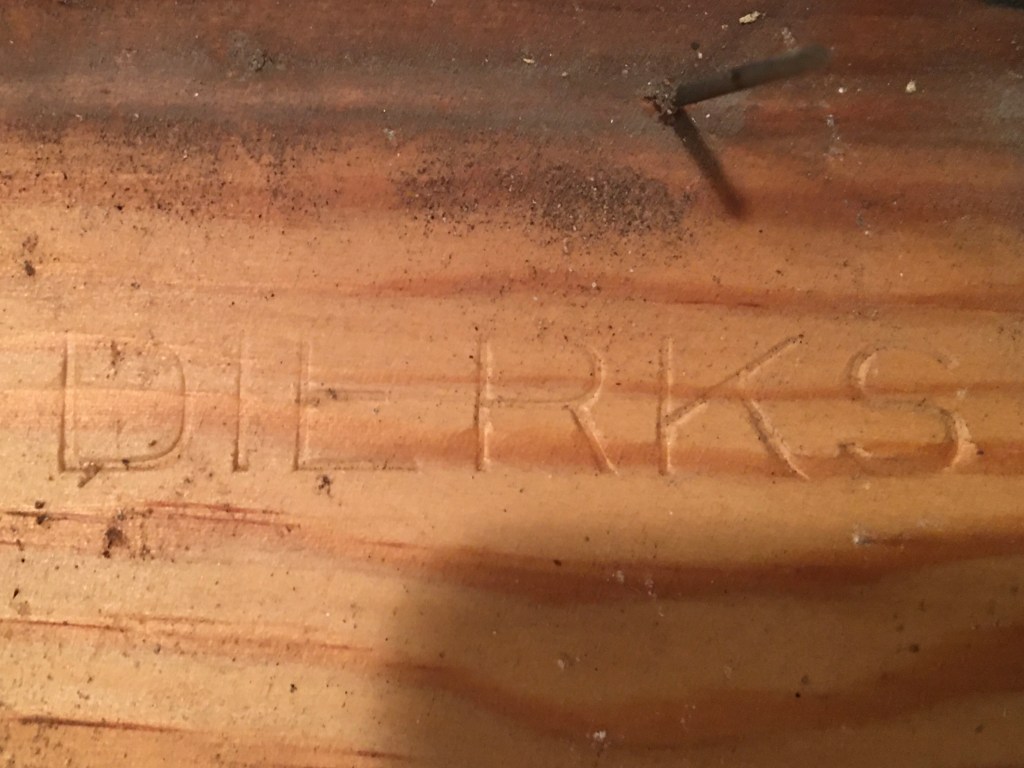
It turns out in the late 1920’s a Dierks lumber was based in Arkansas and Dierks likely milled this piece from an old growth pine from the Ouachita Mountains.
From the Arkansas Encyclopedia, “…The area around the town of Dierks was covered by dense forests of tall, straight pine trees. The land had been settled beginning in 1848 when a wagon trail connected the Hardscrabble community to Center Point (Howard County), ten miles south. Other Dierks family members joined the business, which included managing company ventures in Arkansas and Oklahoma…
…In 1925, the Dierks company bought 88,000 acres of timberland in the Ouachita Mountains. Timber from that acquisition supplied a large mill, which opened in 1928 at Mountain Pine (Garland County) ….“
Check the story of Dierks here.
But Why does Dierks lumber from Arkansas appear way out here in Hingham? My guess is that this our “Bungalow style house” used Sears Windows.
And Sears used Dierks Lumber.
Sears was then selling full, ready to build homes as kits. Check this 1927 Manchester Sears house and notice the windows.
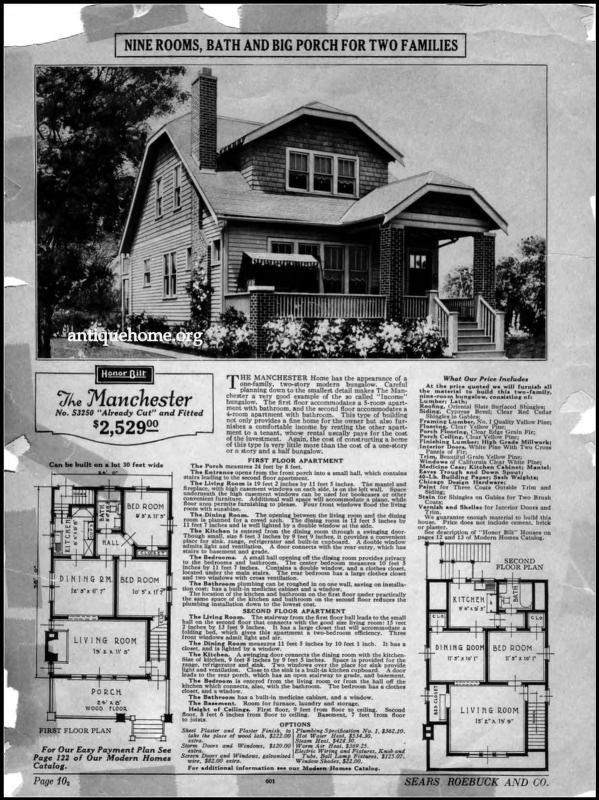
The windows in this catalog are just like our windows! Builders here could probably get pre-built elements from Sears in addition to the full homes. I think our windows may have been Sears Kit style windows and the Hingham Building Inspector, checking our addition progress back in 1982, was the first to suggest to me that they were Sears windows.
The glass is old and subtly wavy but not as wavy at that real antique glass on some pre-1900 homes. As a classic Craftsman Bungalow with characteristic architectural elements, our house could be deemed an historic architectural Landmark , i.e. “.. a building, property or object that has a special character or special historical or aesthetic interest or value as part of the development, heritage, or cultural characteristics of the city, state, or nation.”
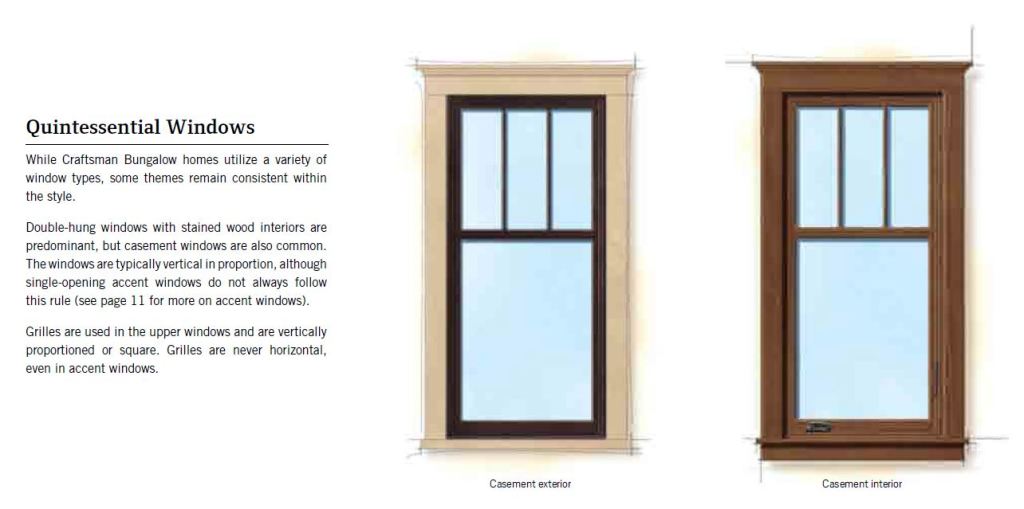
From the Anderson Window Company home style pattern book – Craftsman Bungalow / An Arts & Crafts Selection from the Andersen Style Library brochure on period windows, pages 4 and 10,
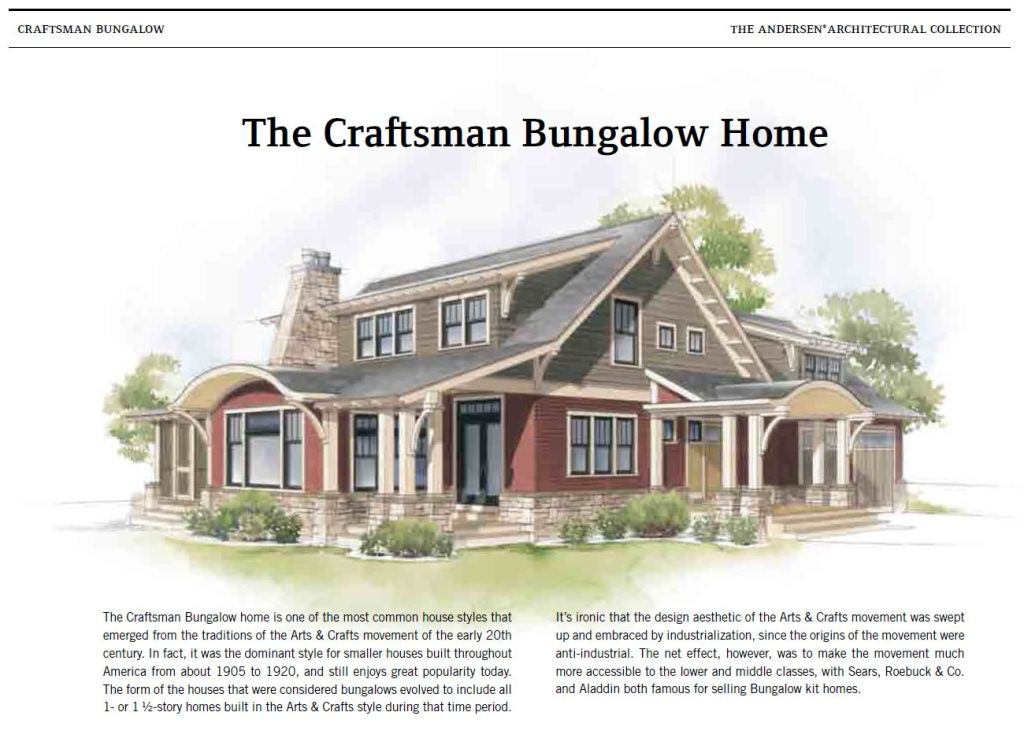
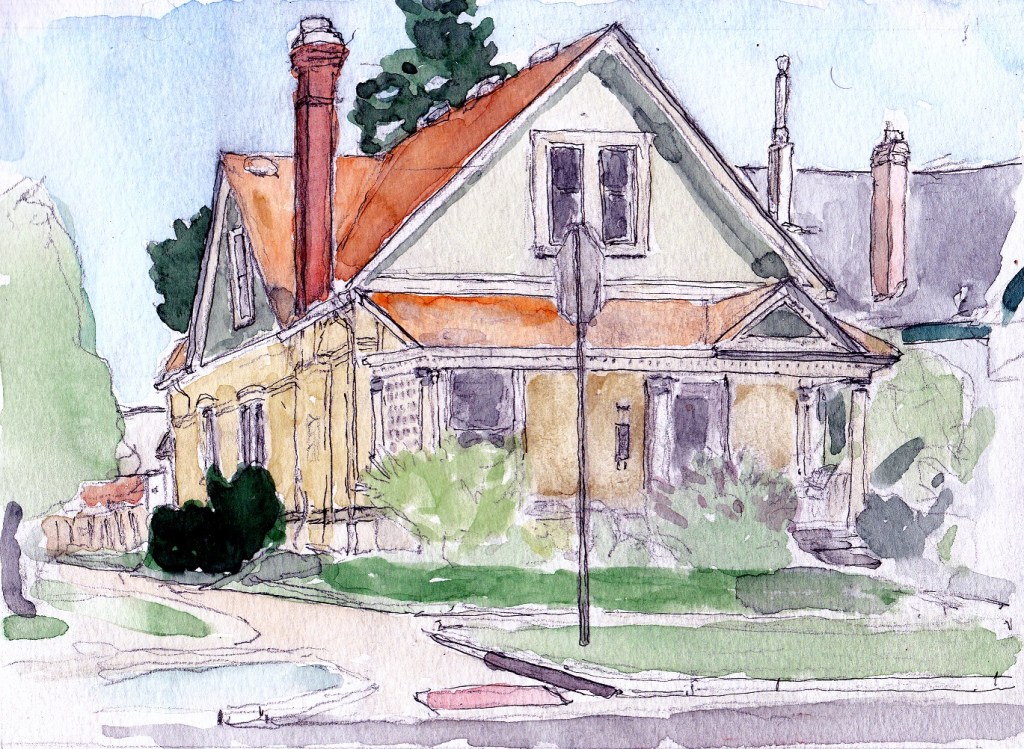
I was struck when staying in the Washington Park area of Denver, for a wedding, with the beautifully preserved Craftsman Bungalows throughout that neighborhood. People took care of them and restored them to historic accuracy. Here’s my sketch of one of them.
Many or most of these classic homes used the same style windows with the upper sash separated by long vertical muntins — A sash window or hung sash window is made of one or more movable panels, or “sashes”, that form a frame to hold panes of glass, which are often separated from other panes (or “lights”) by glazing bars, also known as muntins in the US (moulded strips of wood). — More on the topic appears here. So these early 20th century homes represent a unique movement back to careful crafting and design. They built our house from 1927 to 1929. It became clear to me that the surviving original part of our house – the “bungalow” part –fit into this class and deserved preservation. Plus, the oversized, different but comfortable wood windows here gave off a good feeling, a positive and light-filled feng shui.
Can one find new reasonable facsimiles windows with better insulation and more functionality? Perhaps. But throwing away these casements means throwing away nicely crafted old growth tongue in groove windows, classic “old” wavy glass, and a piece of history. The tight grained old wood in these windows will outlast new window wood by 100’s of years. They were not rotten and irreparable. Consider this:
“…. The decision process for selecting replacement windows should not begin with a survey of contemporary window products which are available as replacements, but should begin with a look at the windows which are being replaced. Attempt to understand the contribution of the window(s) to the appearance of the facade including:
- the pattern of the openings and their size;
- proportions of the frame and sash;
- configuration of window panes;
- muntin profiles;
- type of wood;
- paint color;
- characteristics of the glass; and
- associated details such as arched tops, hoods, or other decorative elements.
Develop an understanding of how the window reflects the period, style, or region…”
Even if I had to replace them, I could not find a similar casement windows. Most replacements today simply nail into existing casement structures and cut down significantly on the open light space, plus they just look bad and cause the structure to lose its original look and historic character. “Aesthetics aside, every year, the dollar case for historic windows quietly grows a bit bigger. In real-estate markets where vintage architecture is part of the appeal, there’s evidence that sensitively maintained old houses hold their value.” From Old House Journal
Decision: Restore (not replace)
So, Yes…for the aesthetics, preservation, historic accuracy, and environmental protection (both waste and energy) reasons, and an iconoclast’s penchant to go against conventional wisdom I decided to restore the windows.
I have now restored / fixed eight of them and did those under the gun pressured to get them done before the painters came to work the living room and dining room.
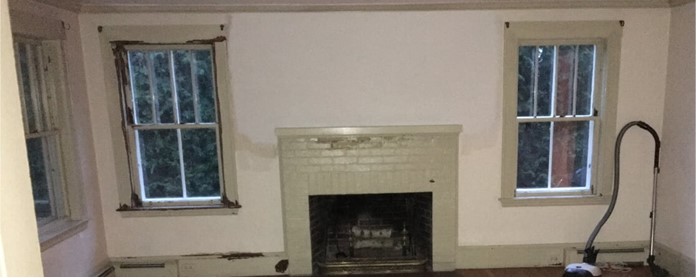

The sashes of the non-restored ones do not easily lift up and down on the channels. The weight ropes on every one of the dining room lower sashes had severed. So none stay up. The upper sashes move down only after physical mauling. Very difficult. From a sash opening standpoint, or the ability of an average person to easily open either sash, they are inoperable. It also got confusing to assure the right sequence. So I created a checklist sequential. Each window reconstruction followed these steps,
Do the restored windows prevent heat loss / gain?
We use storm windows. These storm windows give us about the same R value (the resistance to heat dissipation) as a double pane window and similar energy savings as full window replacement.
Double panes cover all the new parts of the house. The replacement windows would about equal the R value of our double pane “new windows”. So I did not see a big gain. Additionally “most of the heat loss in old houses is not through doors and windows (which studies peg at 12 to 25 percent), but through the roof (which can be as high as 30 to 40 percent…” We insulated the attic to a very high level,
We may consider replacing the glass in our storms with Low e Glass. It is becoming as important to reduce solar heat gain in summer as heat loss in winter.
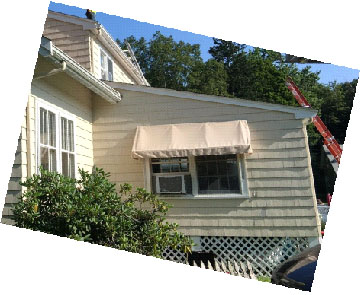
That is why we use old fashioned awnings for very sun exposed window areas.
Support
Look at these 10 reasons for keeping and a list of the many organizations that agree.
Or this source:
The Window Sash Bible A guide to maintaining and restoring old wood windows by Steve Jordan, 2015, Rochester, NY
The Window Sash Bible is about the repair, maintenance, restoration and improvement of old or historic windows made from about 1800 to 1940. With so much misinformation provided by replacement window contractors and vendors, this book aids homeowners, do-it-yourselfers, carpenters, architects, designers, preservation commission members, and anyone in the old-house business make sound decisions about windows. Since most homeowners are unaware of their alternatives, The Window Sash Bible provides an array of options to save money, energy, and historic windows for decades to come.
Veteran preservationist Steve Jordan is the author of the award-winning Rehab Rochester and a contributing editor for Old-House Journal for 17 years. He has repaired and restored thousands of windows and has worked on many distinctive and historically significant sites throughout the United States.
A graduate of Cornell University’s Historic Presevation Program, Steve was formerly rehab advisor for the Landmark Society of Western New York and an architectural conservator for Bero Architecture. A native or rural Tenessee, he now lives in Rochester, New York. His goal is to prevent the thoughtless destruction of historic windows by bringing to light their enduring yet often overlooked qualities as compared to the short-term lives of modern replacement windows.
Its worth it:
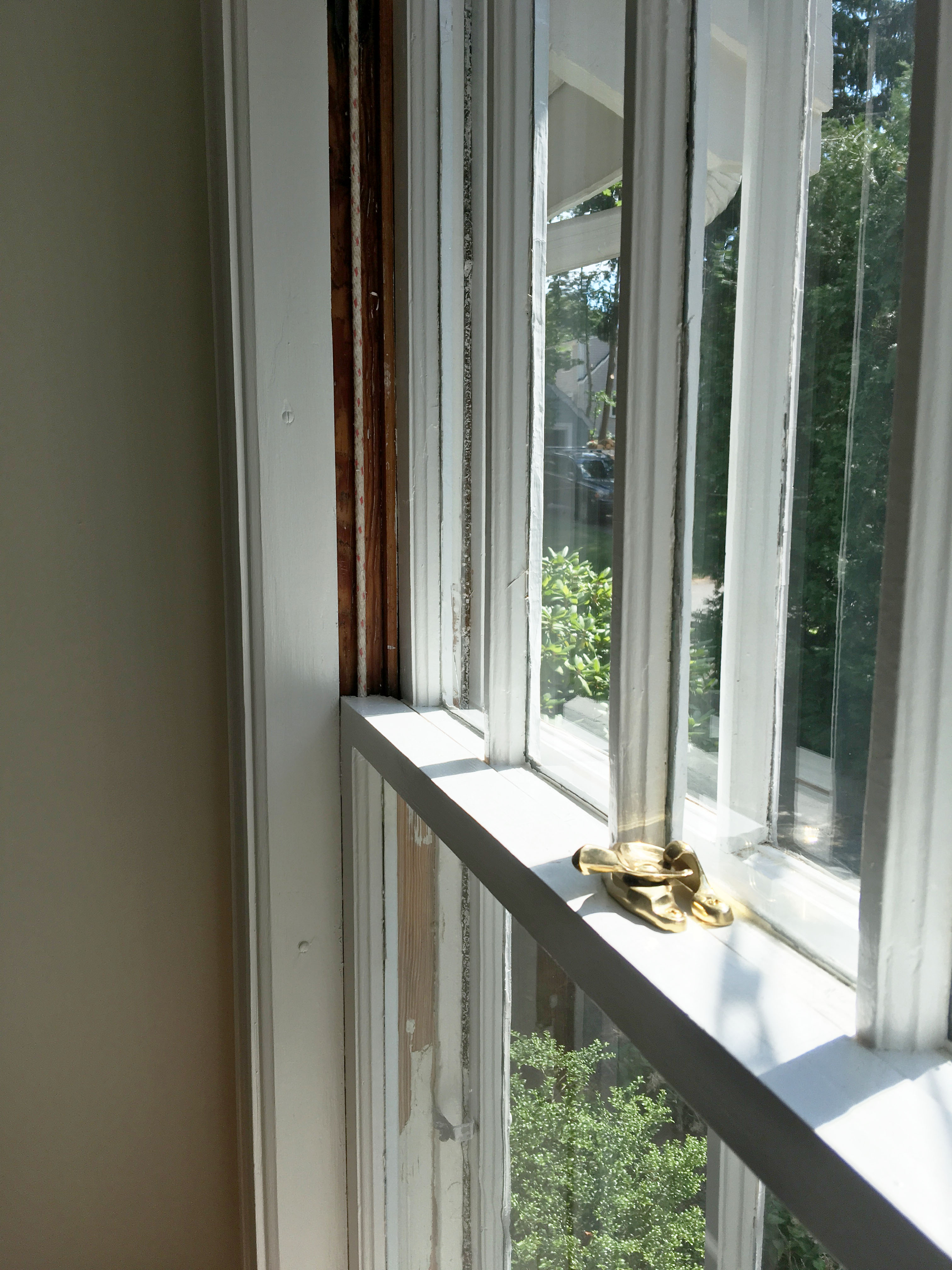
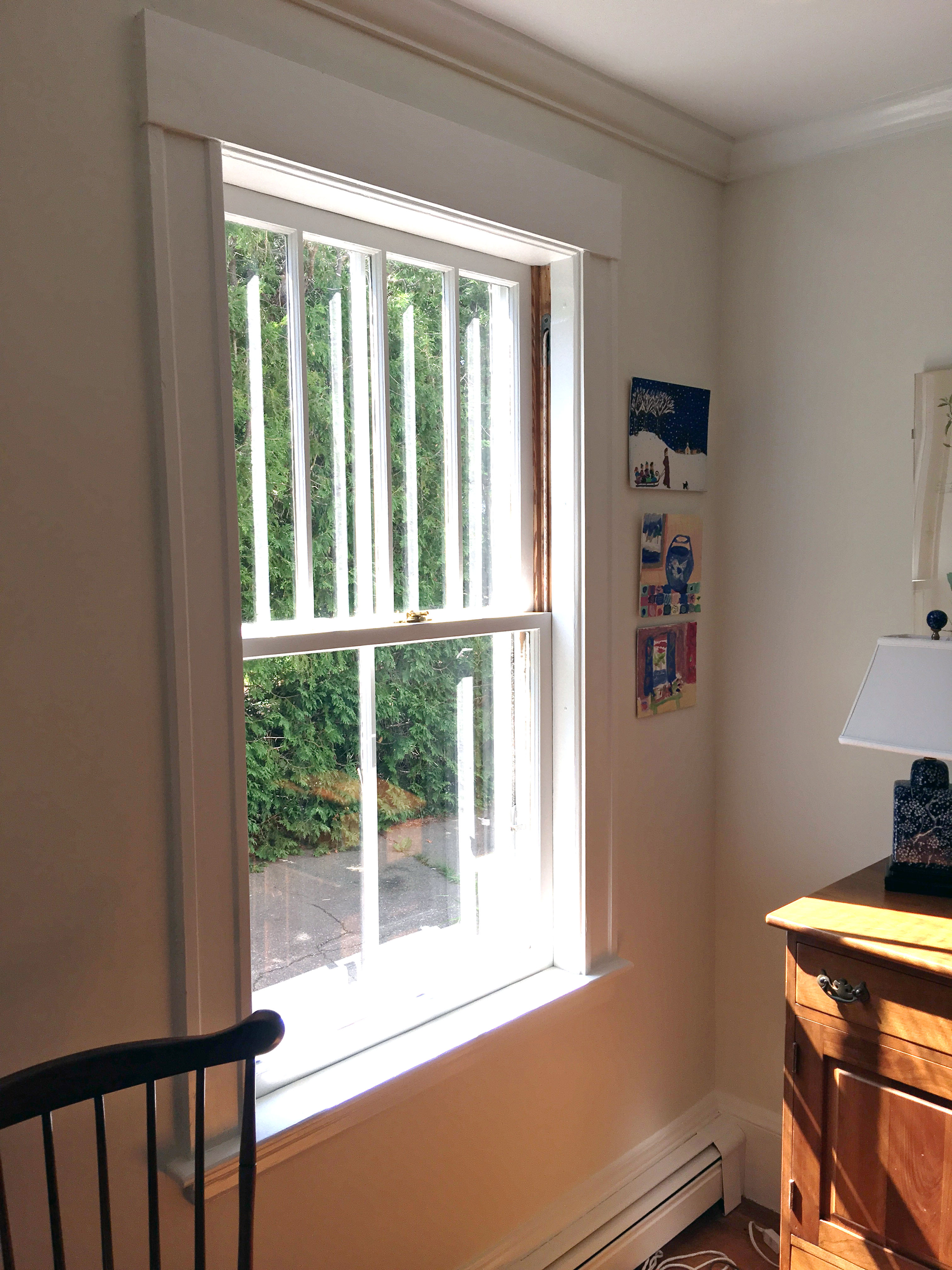
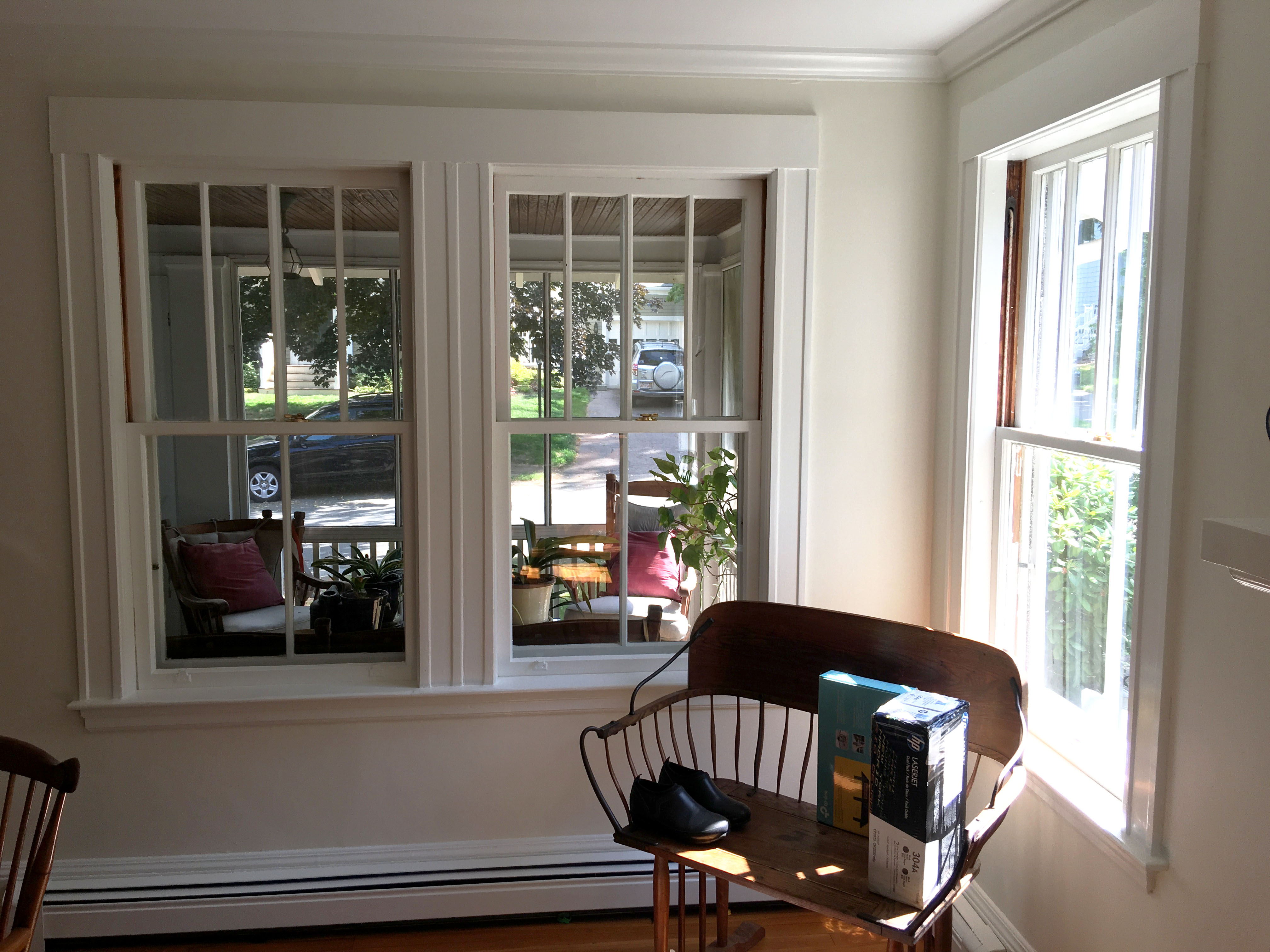
 Here's What I Found